
When you get into specialty coffee roasting, one of the bucket list items is to travel to a coffee growing community and see how this magic elixir is created. By luck, I was able to make the trek to Guatemala and El Salvador in January 2019. It was quite possibly the most eye-opening, fascinating, and lovely trips I have ever taken in my life. My traveling companions were Cesar from Café Río Verde and Kenny from The Pour House. I hope to express the majority of what I saw and my opinions throughout the trip over a series of posts. The first few days were about coffee; the last few were about exploring Guatemala. I hope you’ll take the time to check out all the posts…
Day One: Travel to Antigua
After a red-eye flight (ugh), a five hour layover in Fort Lauderdale, and a harrowing drive through the streets of Guatemala City and the surrounding hillside, we made it to Antigua, our home base for the majority of our stay. After settling in to my AirBnb (I seriously recommend checking out Casa Magnolia if you visit!), I heard the dulcet sounds of a brass band. Taking advantage of my host’s rooftop terrace, I spied a little parade.
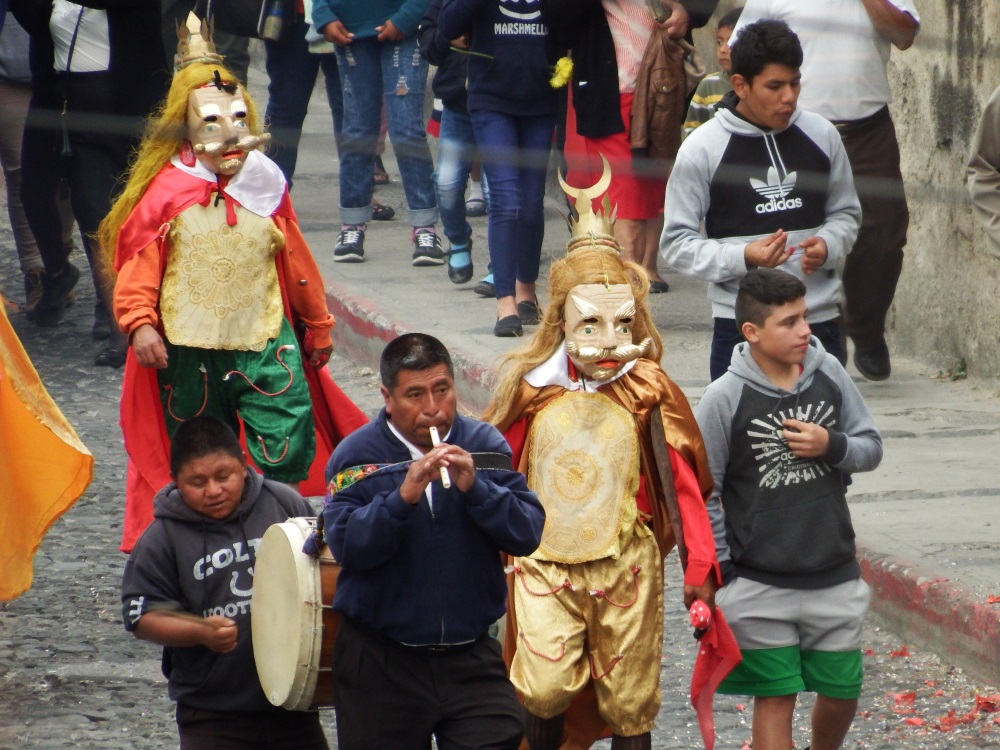
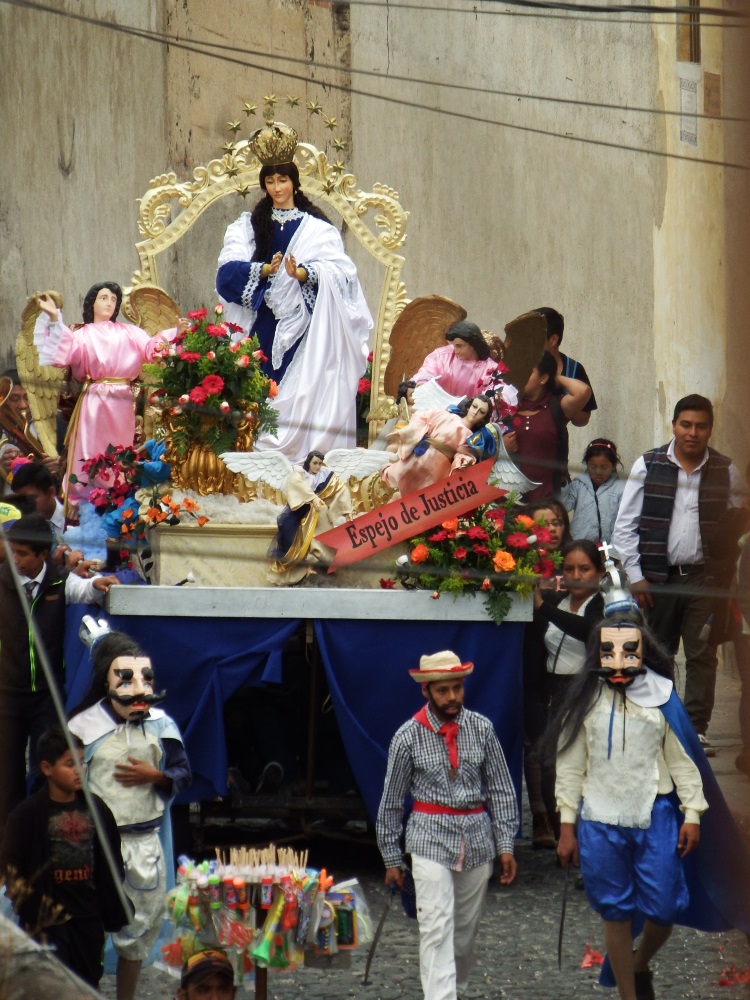
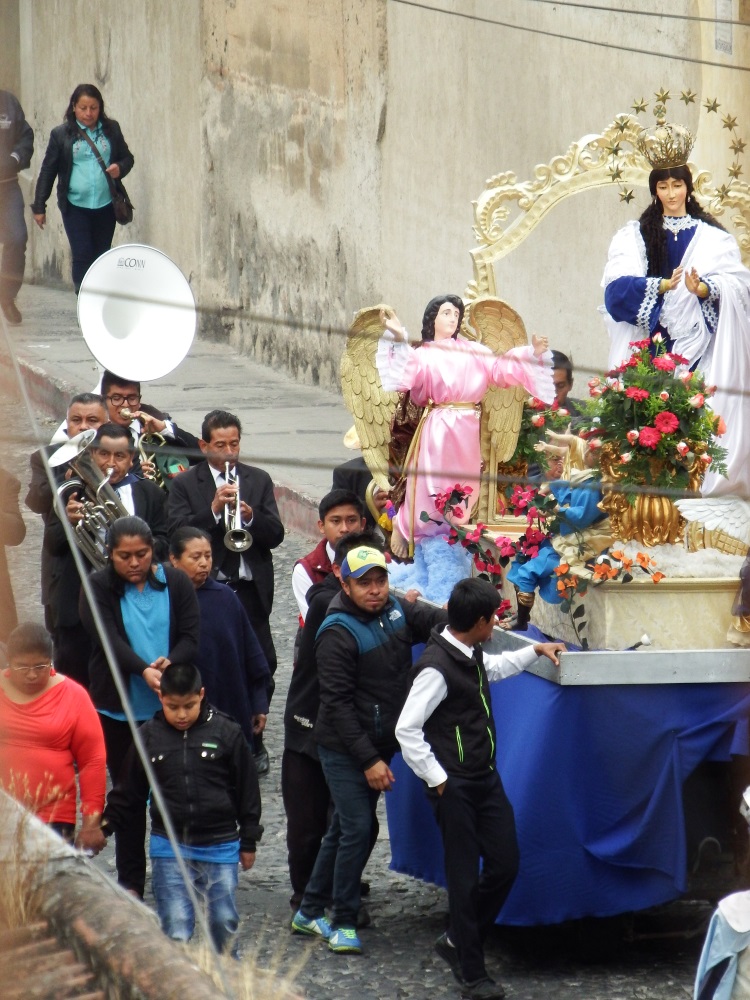
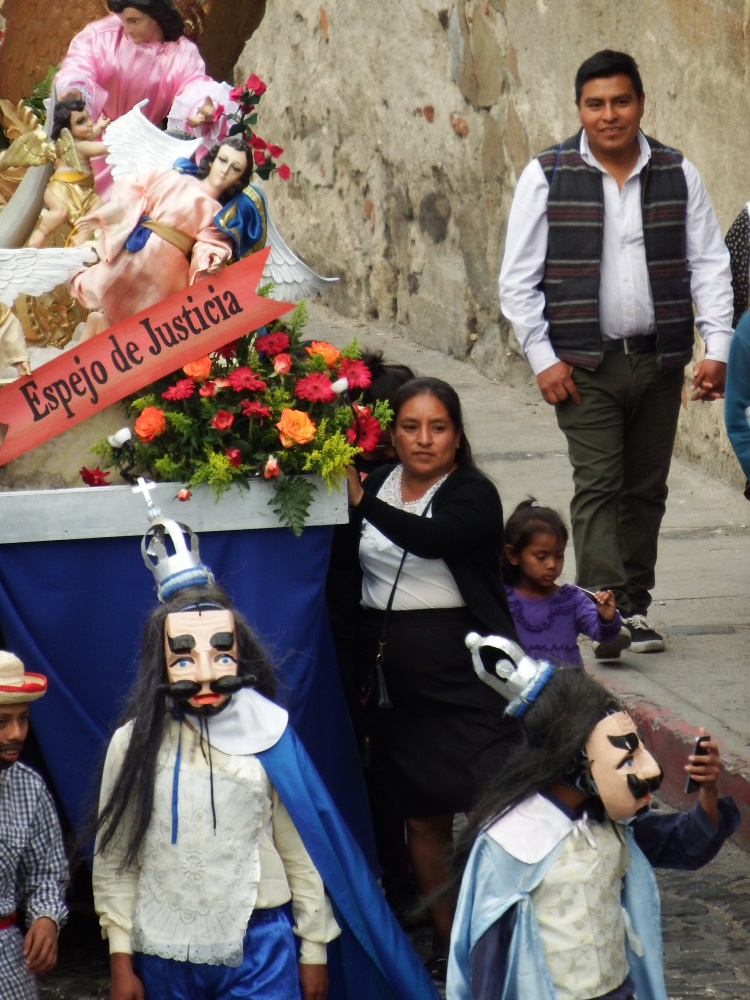
This parade commemorated the Espejo de Justicia, or Mirror of Justice, for Mary, Mother of God, “whose dignity incomparably surpasses all human greatness, and which is the highest to which a creature can be elevated.”
Pretty good sign for the wonders that lay ahead…
Day 2: Off to El Salvador
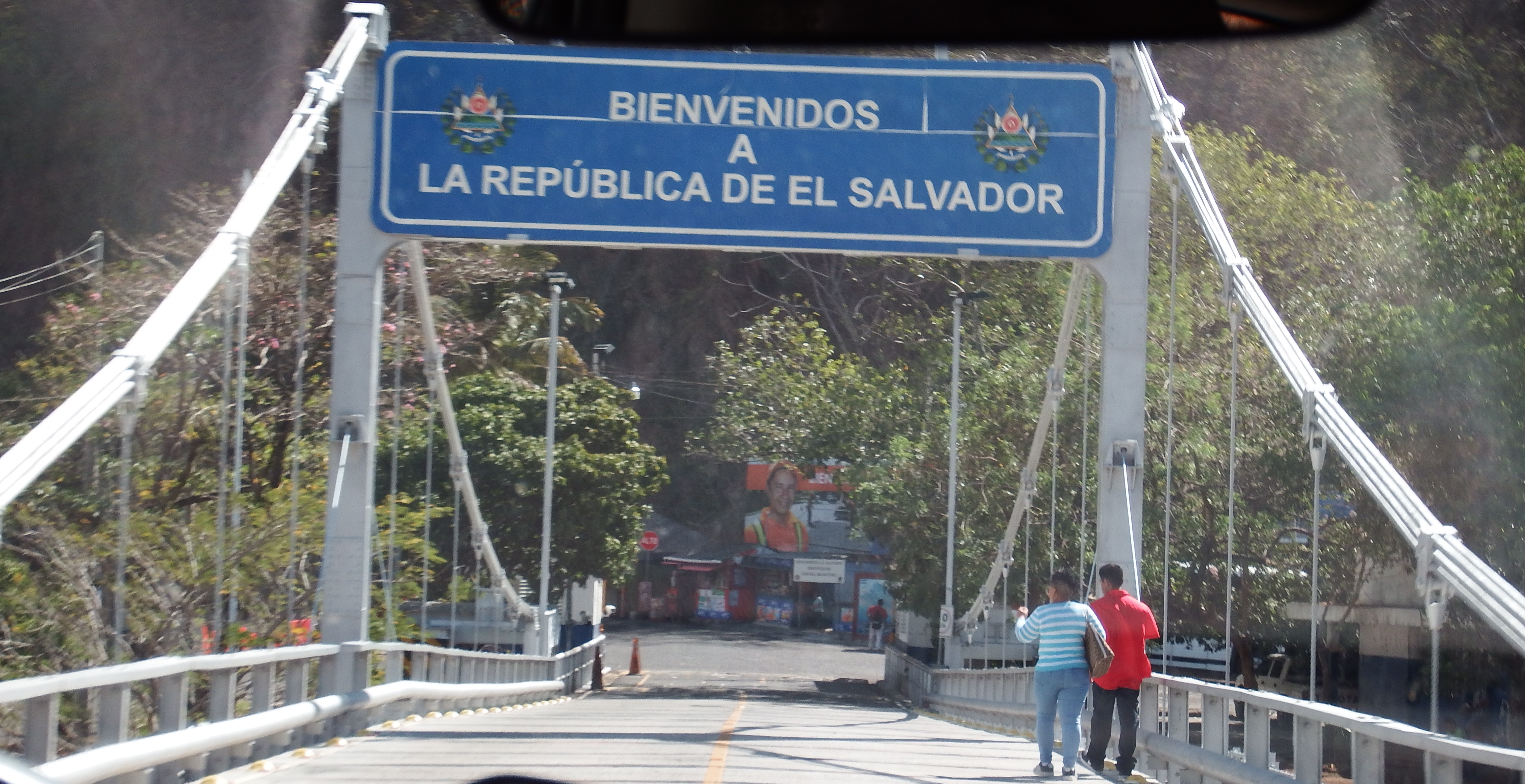
4:00 in the morning came quickly, but our guide Cesar (who is a regular at our shop and can often be found in the roasterie) highly recommended we start out early to beat the Guatemala City traffic. Yeah, that didn’t work.
How to explain Guatemala City traffic to someone who hasn’t been there? Imagine, if you will, I-25 here in the Springs in the middle of rush hour. Except for 5 times the traffic. And vehicles 8 abreast in the same amount of concrete. And buses zigging and zagging throughout. And people stopping whenever they feel like it. And motorcycles whizzing between the rows of cars. And people walking on the road. And multiple intersections with just as many vehicles coming at you. It’s a controlled chaos with almost zero accidents and it vaguely reminded me of a packed dance hall.
Well, this traffic started at 4:30, which is about when we hit Guatemala City. Three hours later we finally cleared the city. The trip that should have taken four hours ended up taking 7. But it was worth it in the long run…
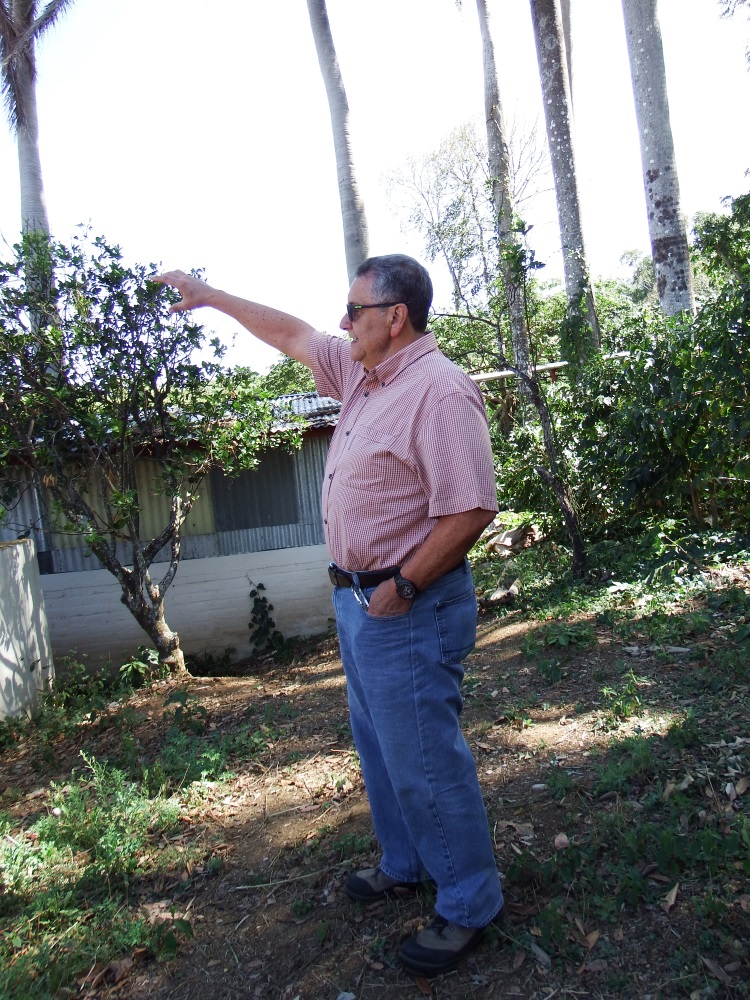
Our plantation tour of the day was the Café Pacas farms. The host was Miguel Menendez, whose family started the farms in the early 1900s. This farm has been around long enough to actually have a varietal of coffee that is only grown here!
The Café Pacas farm and mill is exactly like what you see in any other origin report or pictures from farms you can find online. Clean, organized, well managed, and well tended trees.
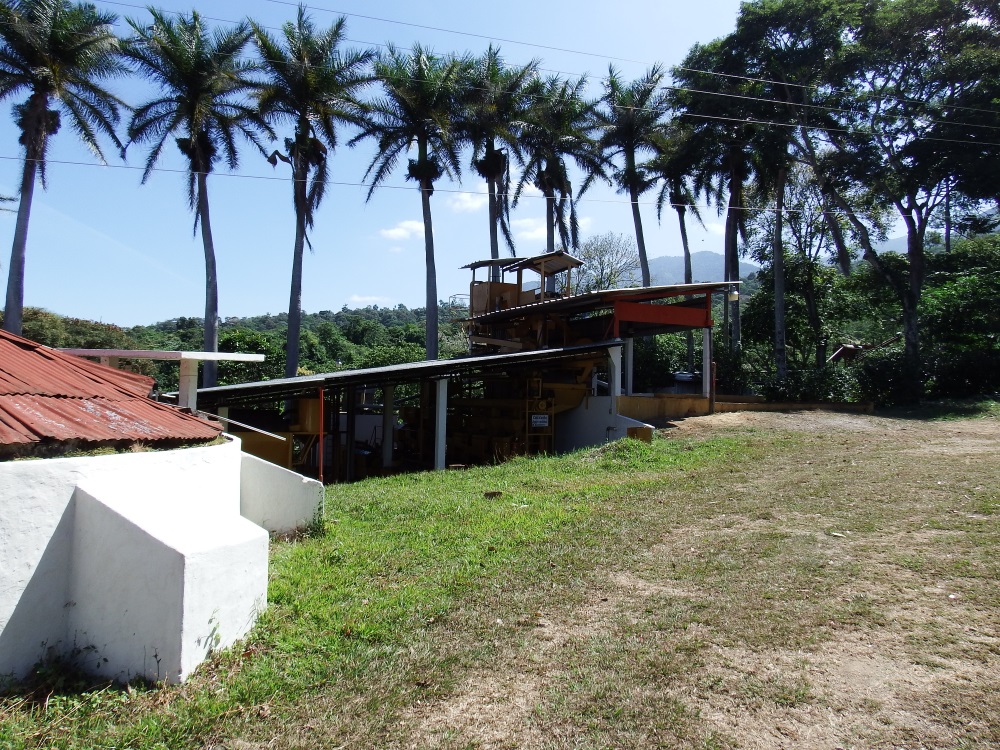
First up the depulping area. 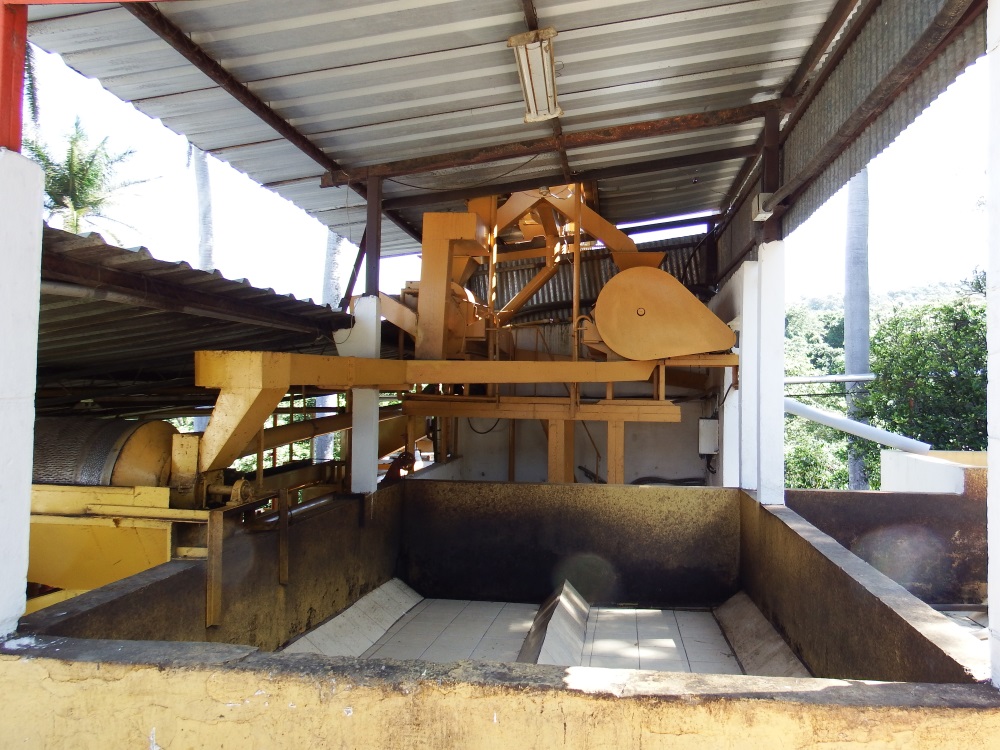
The coffee cherries go into these tanks, then are rushed off to… 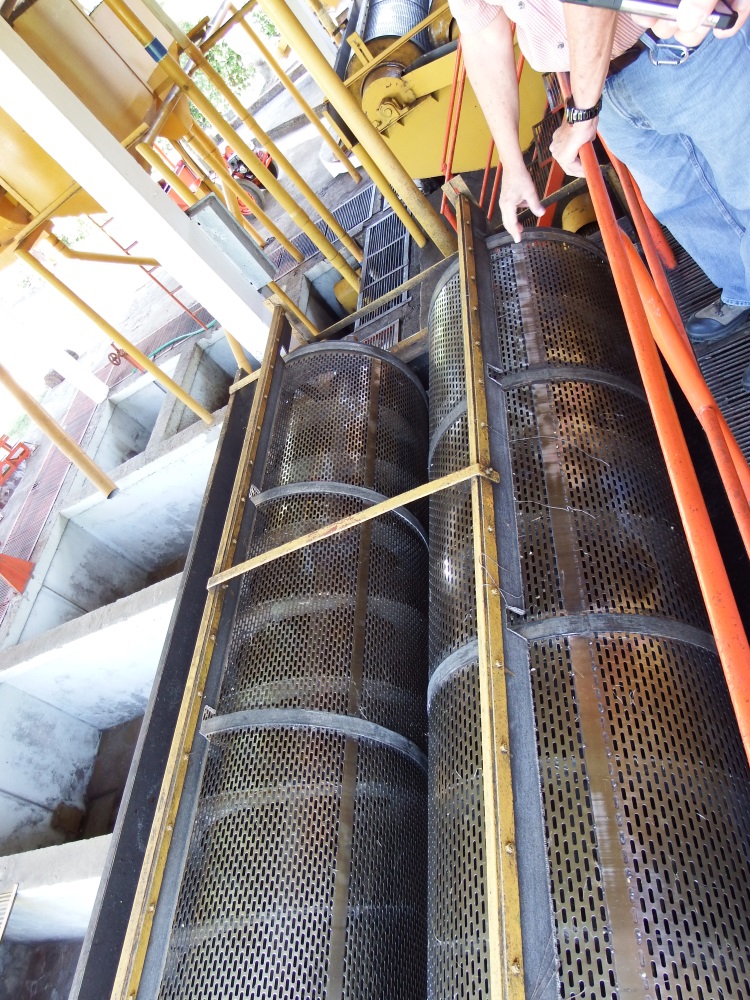
The depulper. This is one of three sized depulping areas, where the cherries, depending on ripeness and density get sorted for the first time. 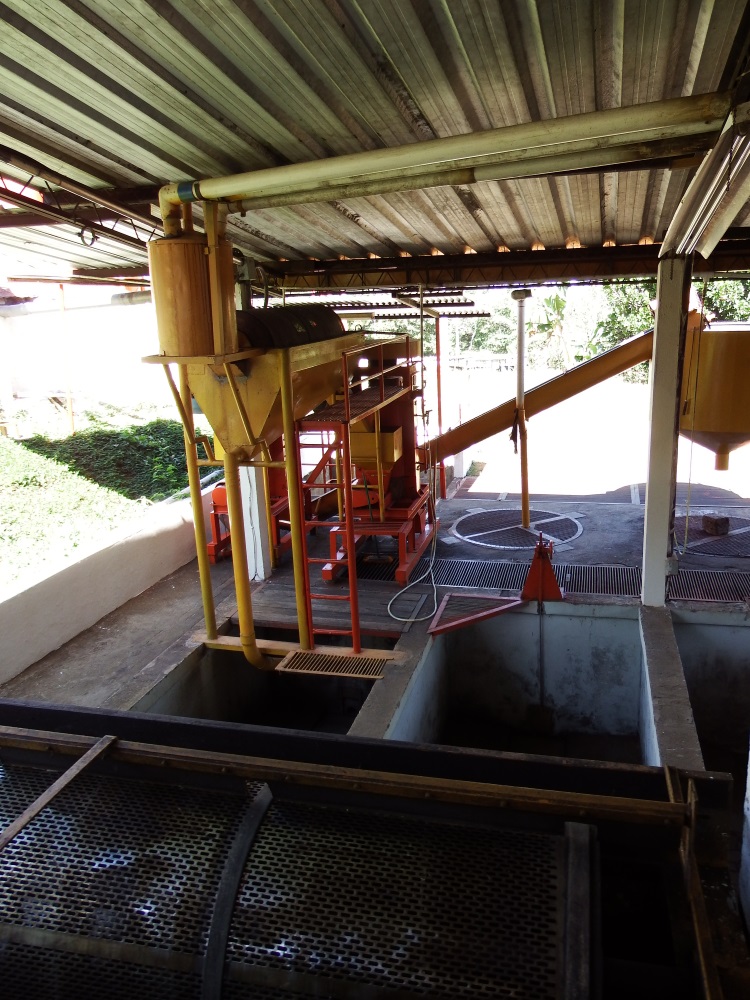
From the depulper, it’s into the fermentation tanks for the beans. 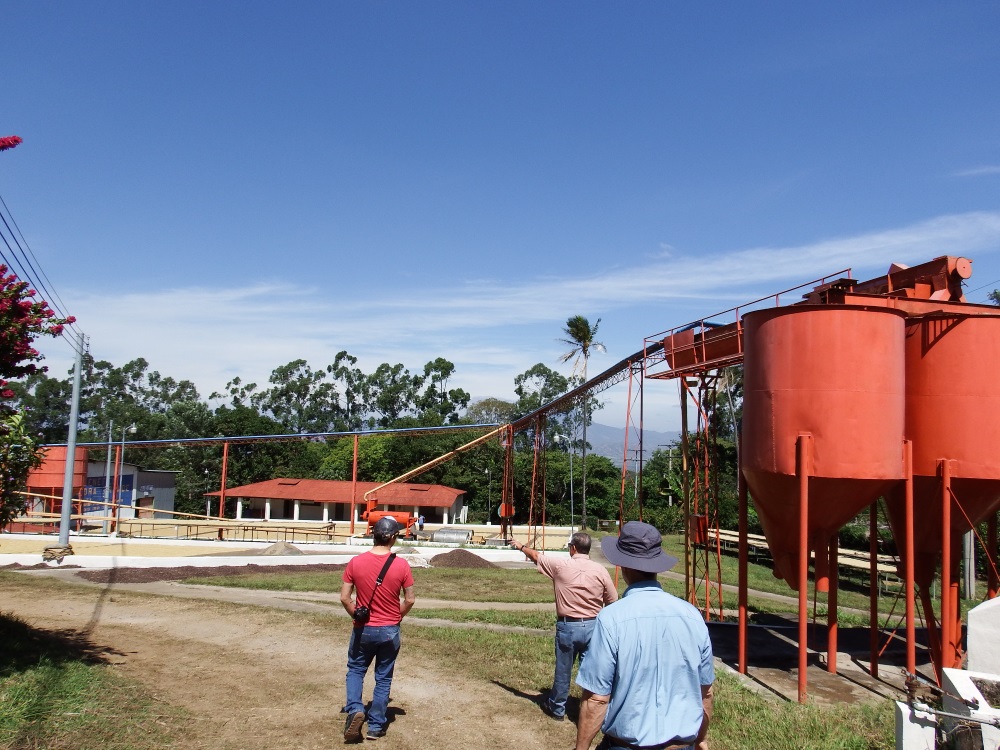
After fermentation, the beans are wisked down to the drying patio. 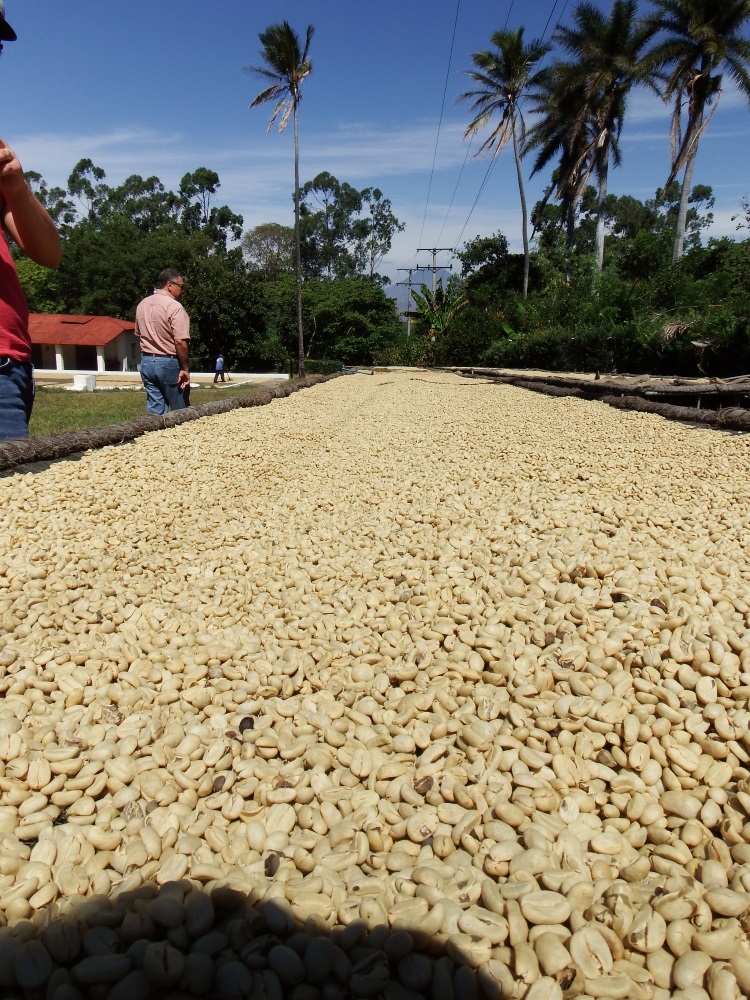
Or, some beans are placed on African-style raised drying beds. 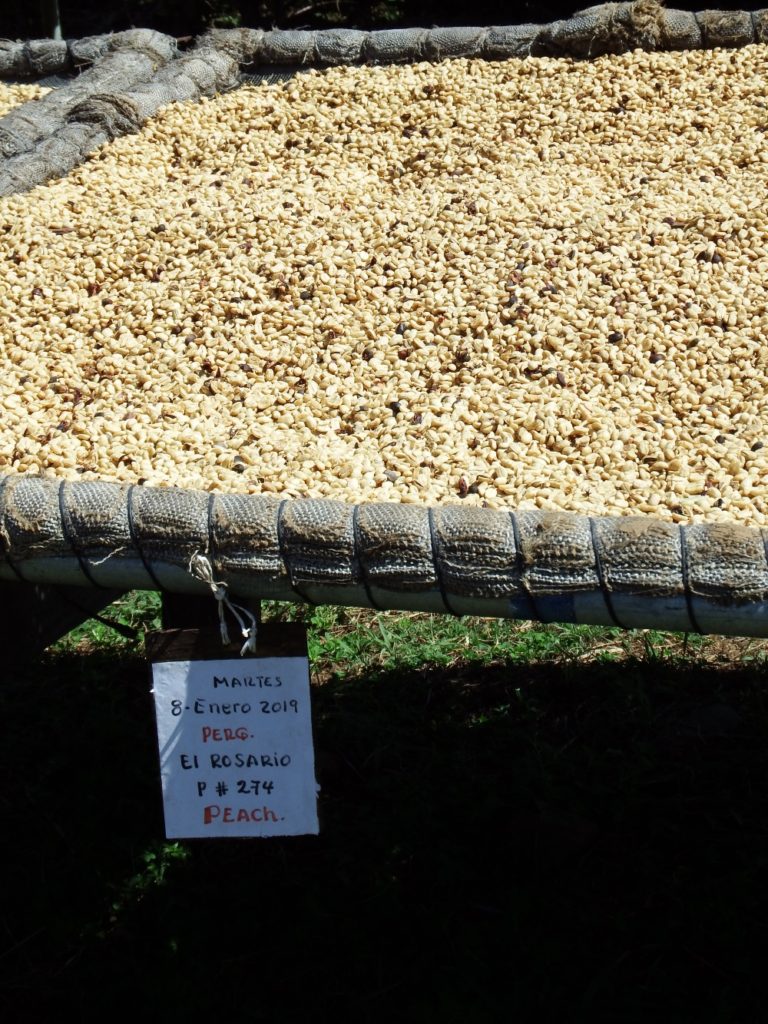
Each batch of coffee is well marked on the beds and the patios. 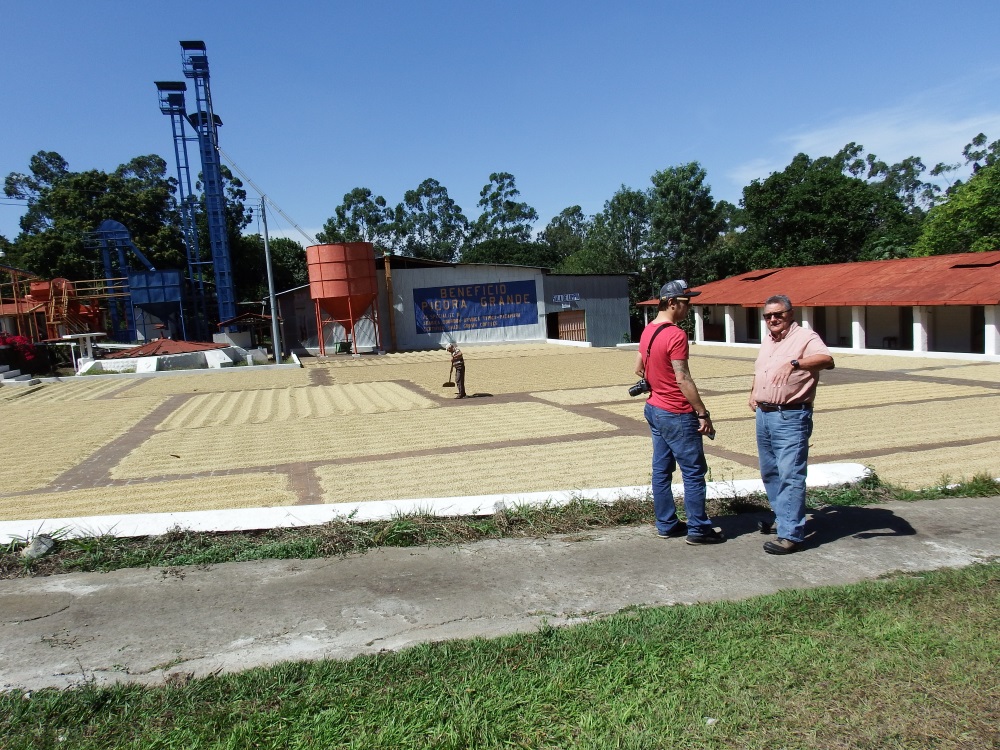
Looking over the main drying patio 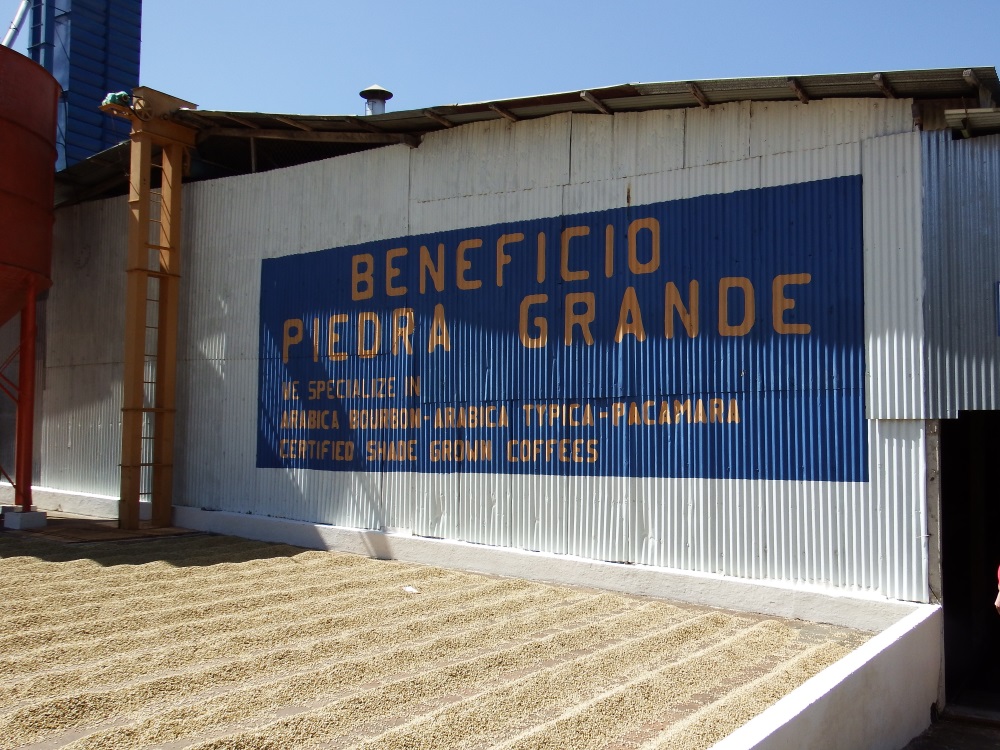
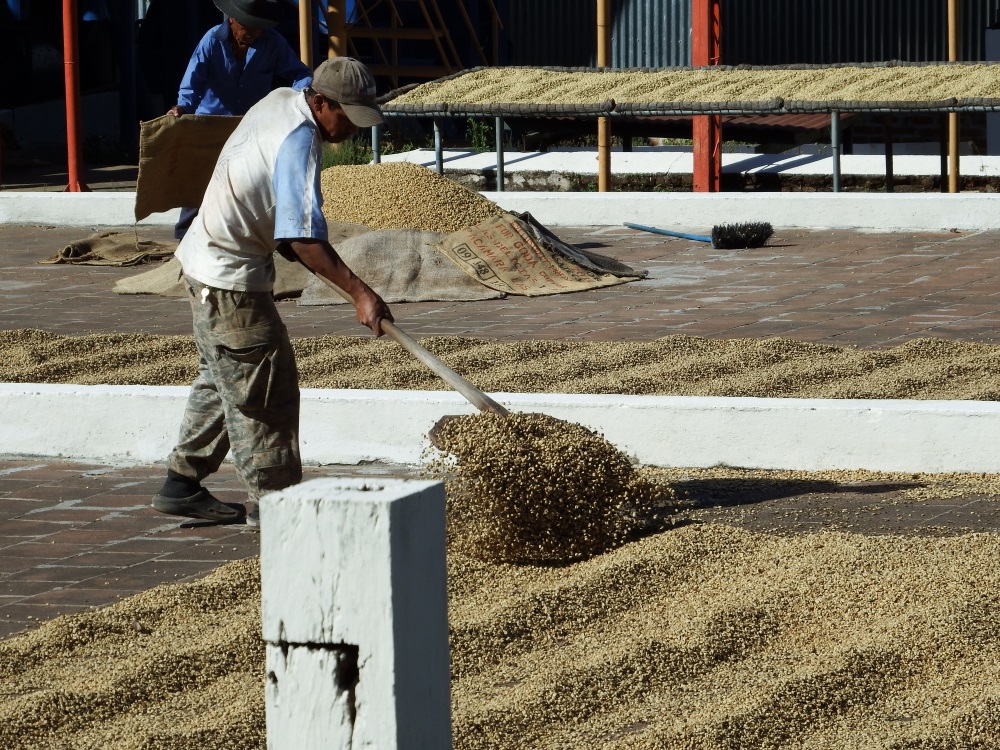
The Pacas farm employs quite a few people to keep the beans moving to ensure even drying. 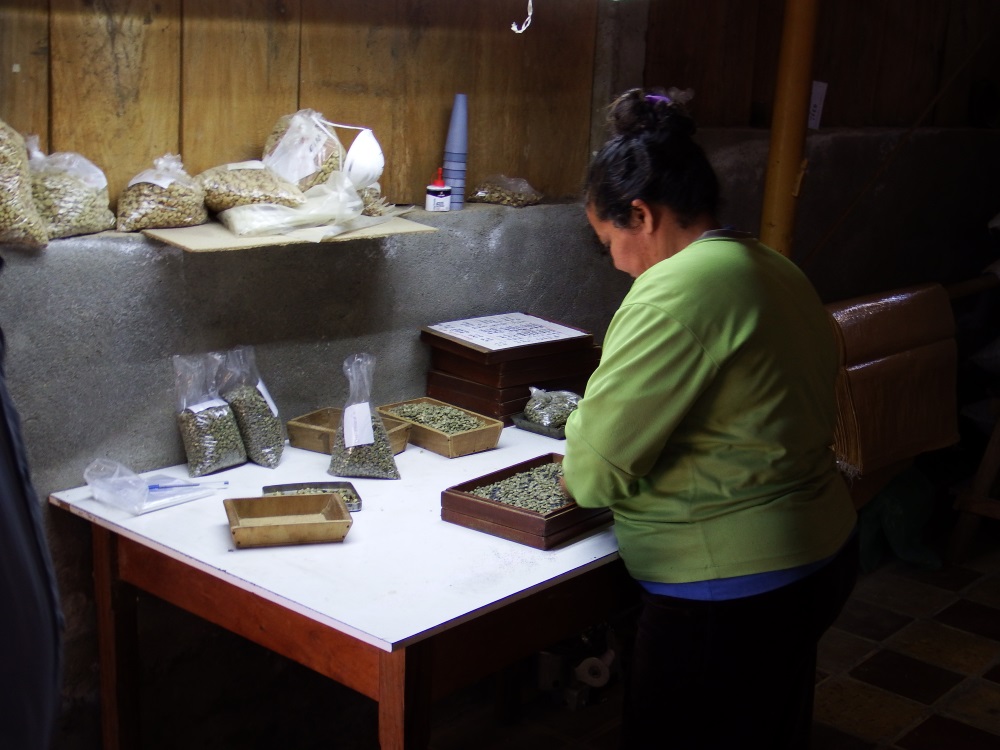
Sorting out the sample bags. 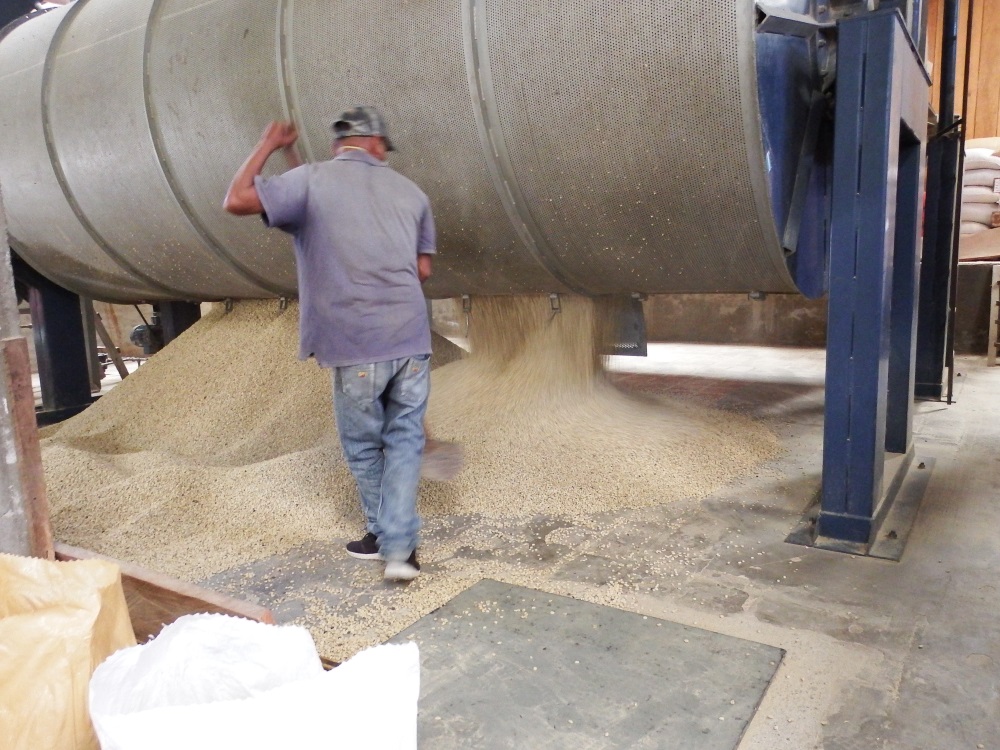
The Pacas Mill also has a mechanical dryer. Here the next batch of coffee is ready to be bagged. 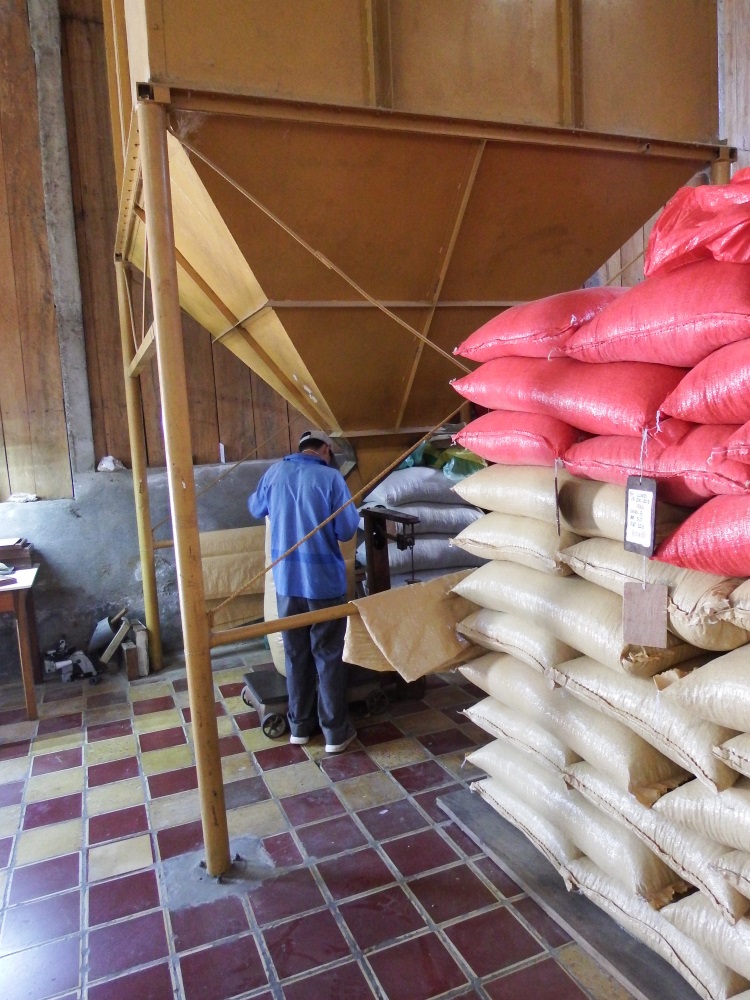
The bagging machine. The coffee is in pergamino (the resting state) for a few months now. 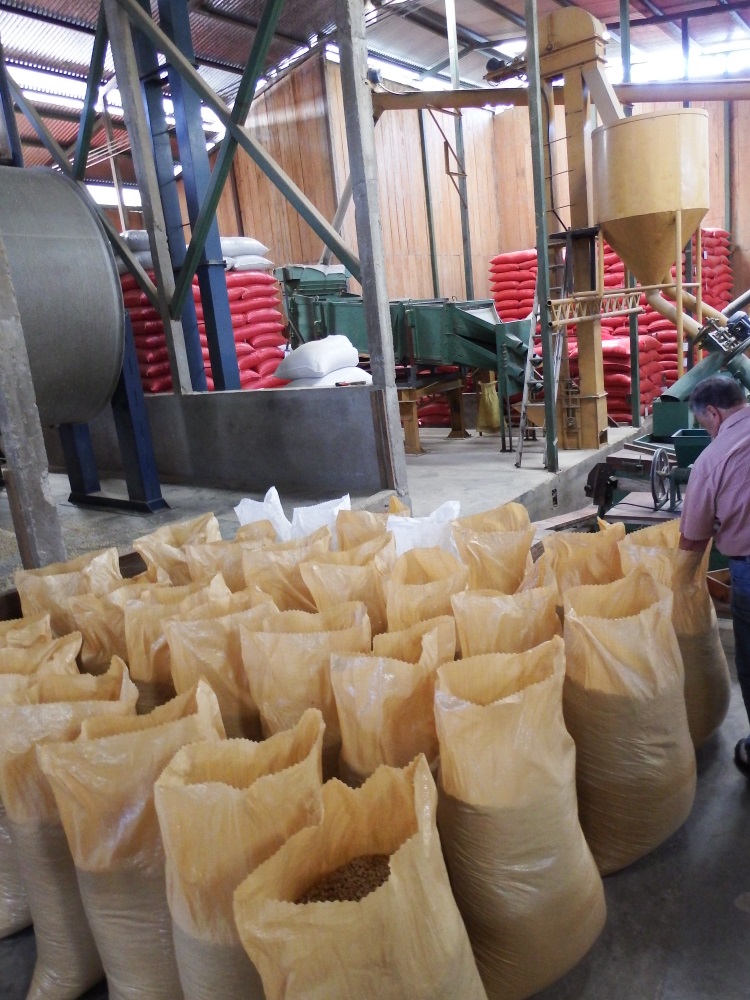
Bags ready to be sealed. 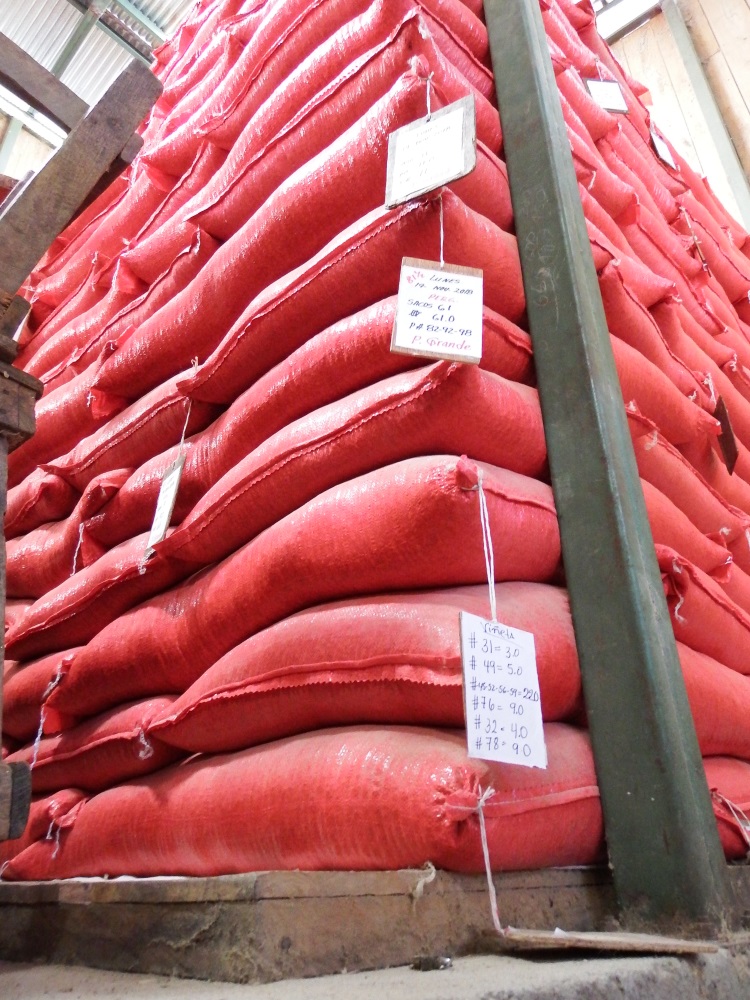
Lots of coffee!
After the tour, it was time to get down to business. The primary reason we made the trek south was to find coffee for our stores. Kenny, Cesar and I started cupping coffees.
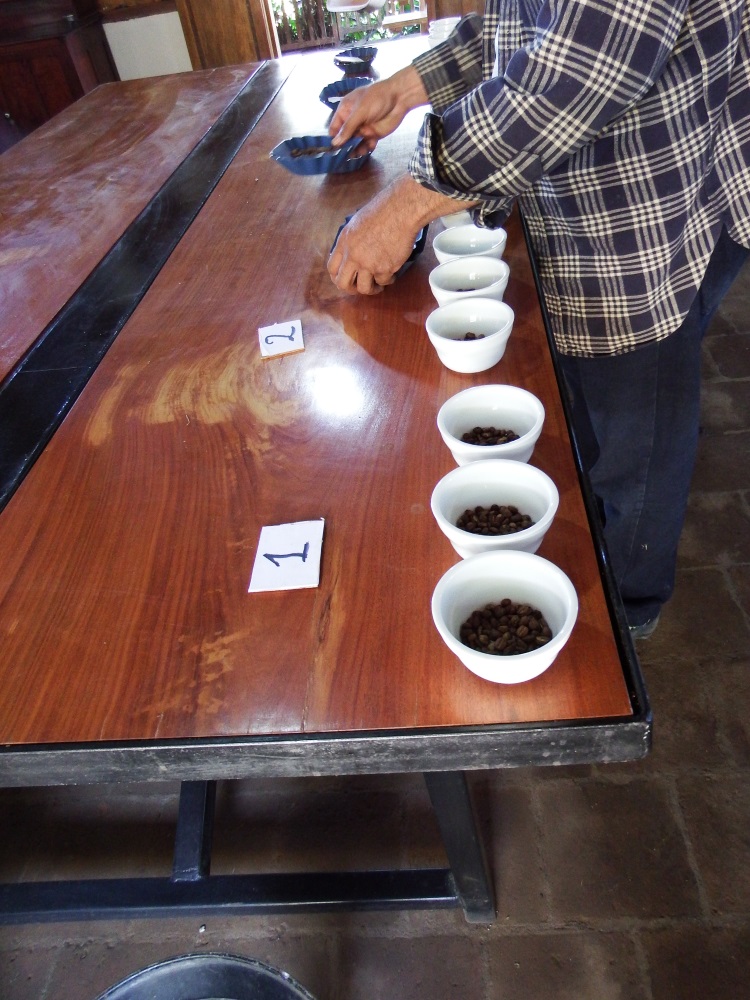
Setting it all up 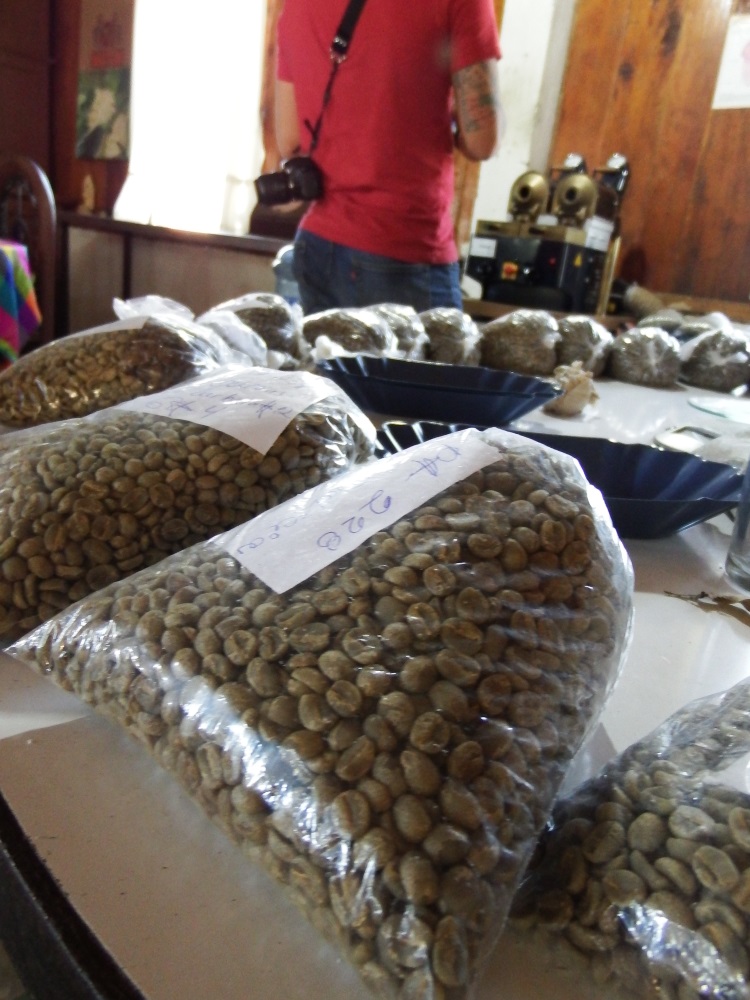
Lots of samples! 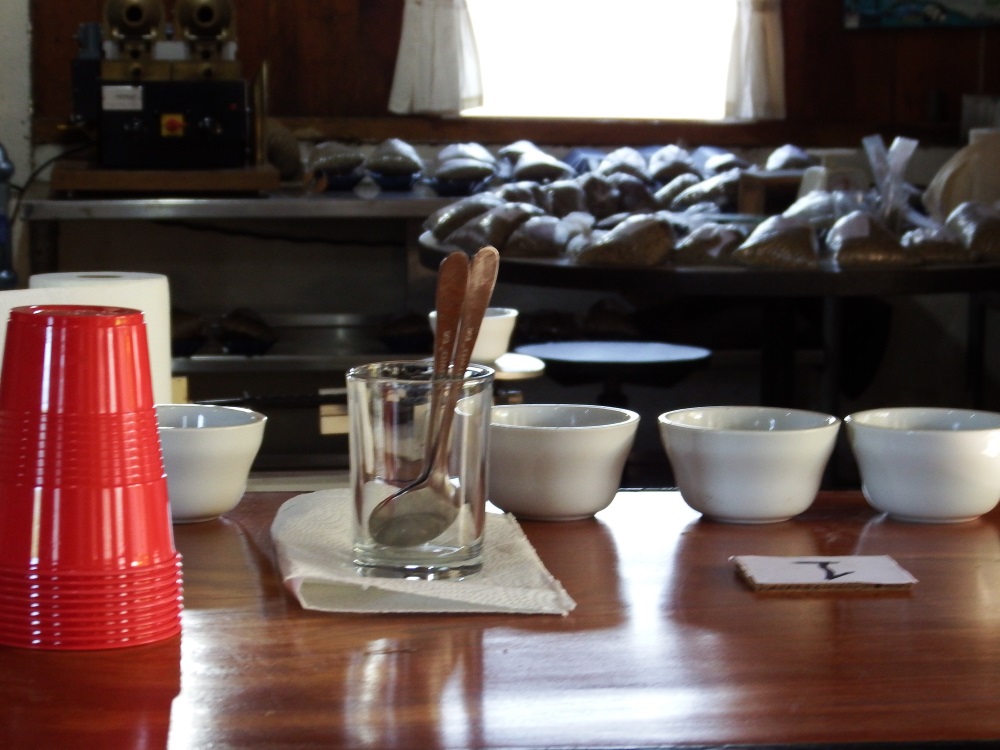
Ready to start! 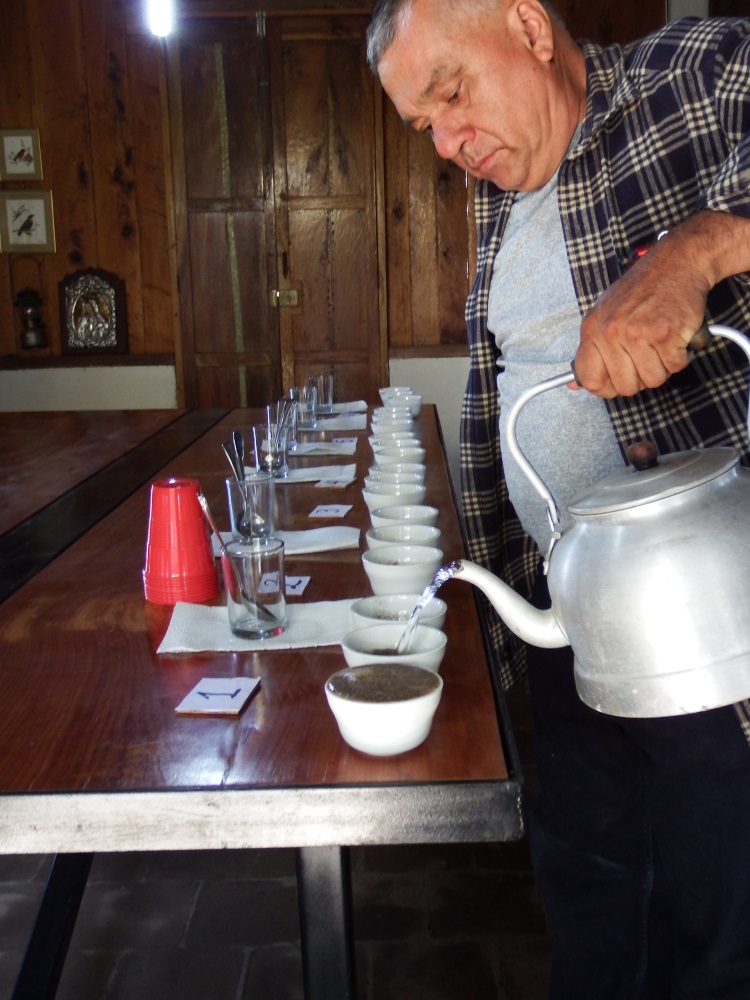
Pouring the water 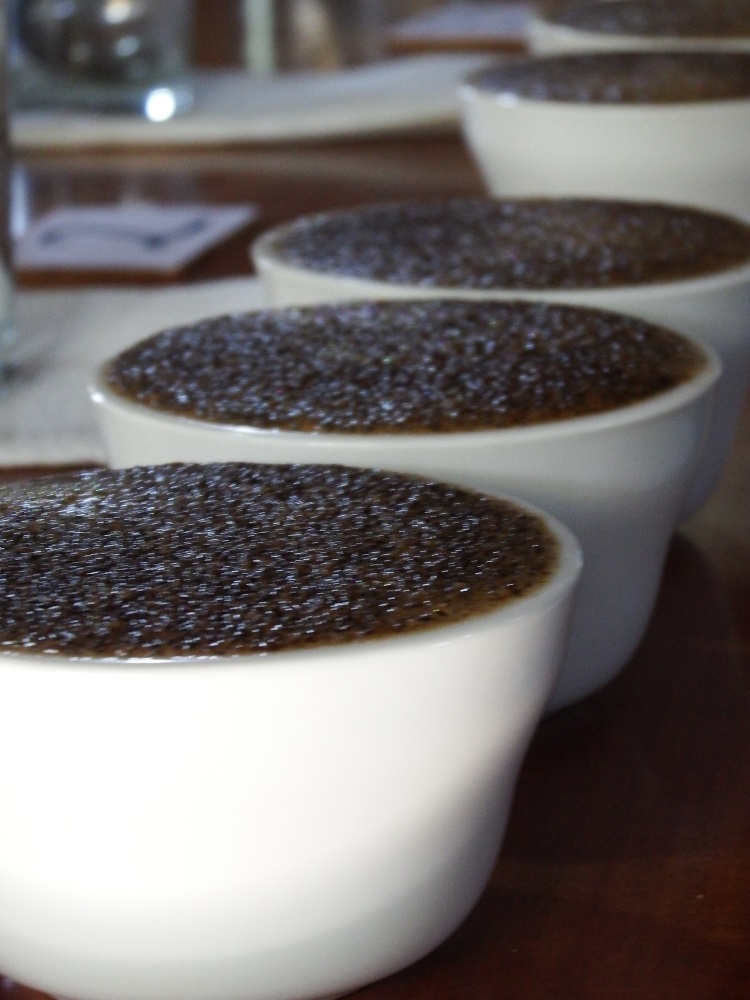
Beautiful crust of coffee on top of the cup. 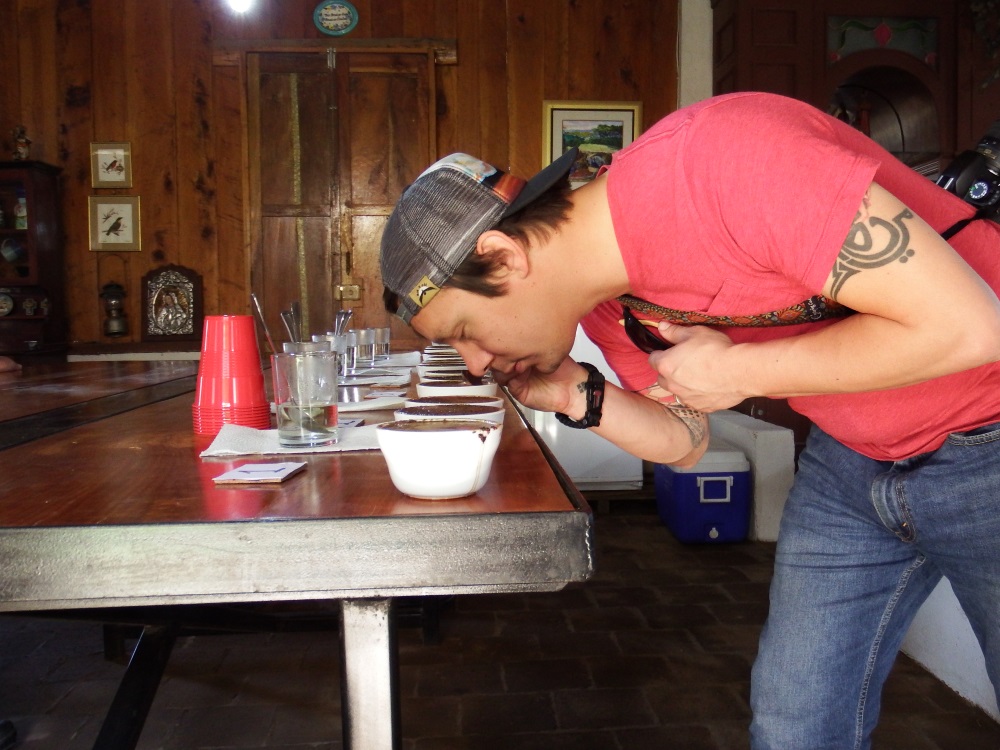
Kenny breaking the crust. 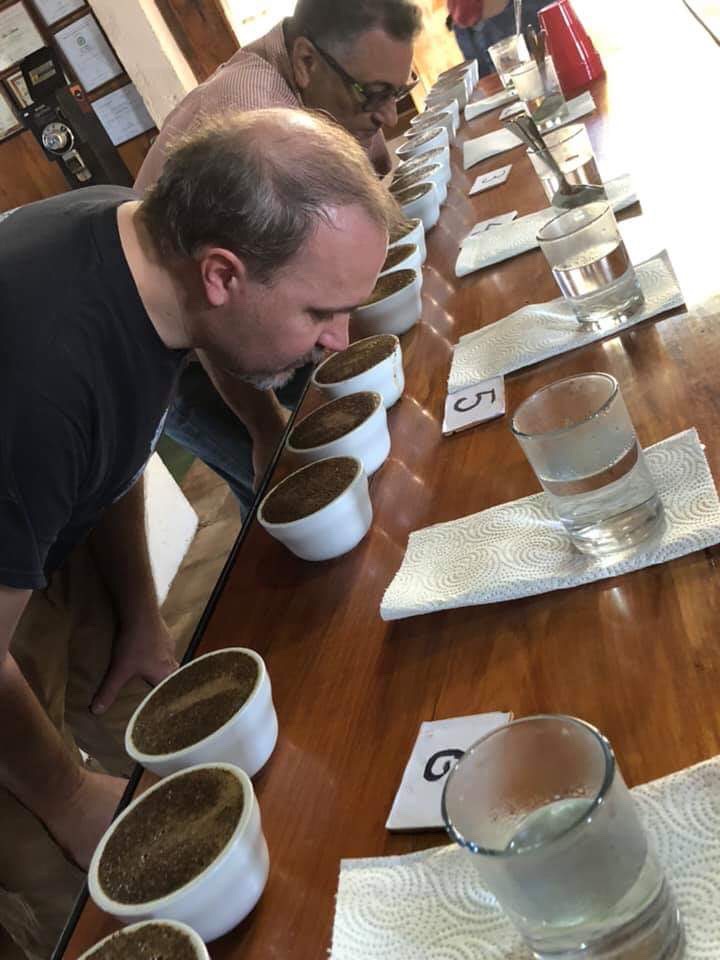
My turn to break! 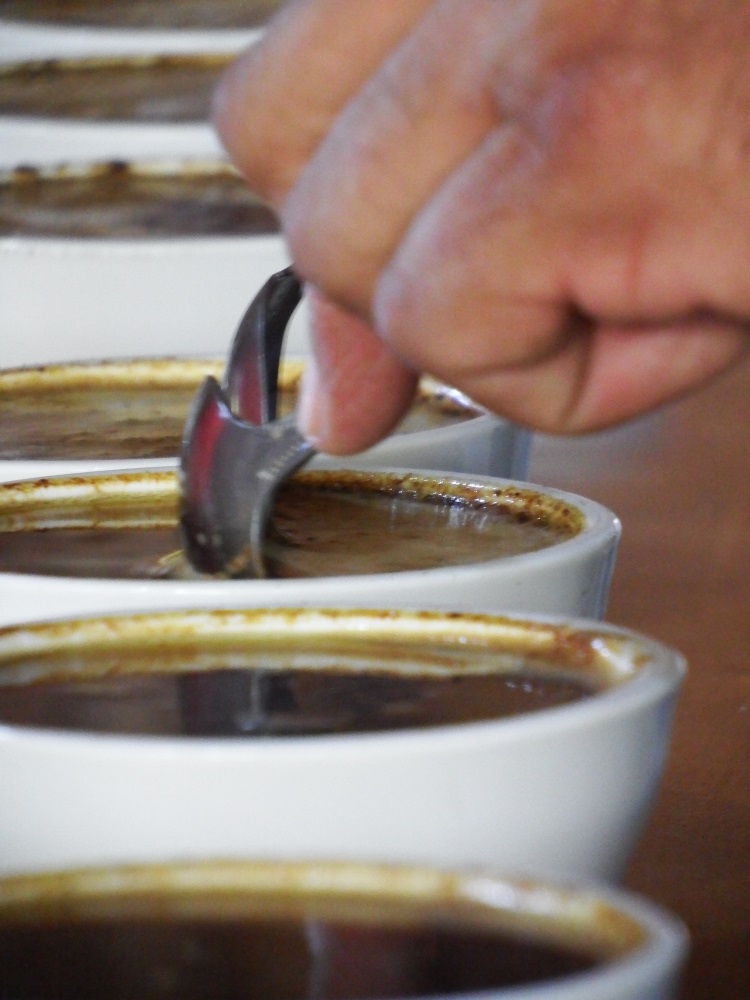
Clearing the grounds from the top. 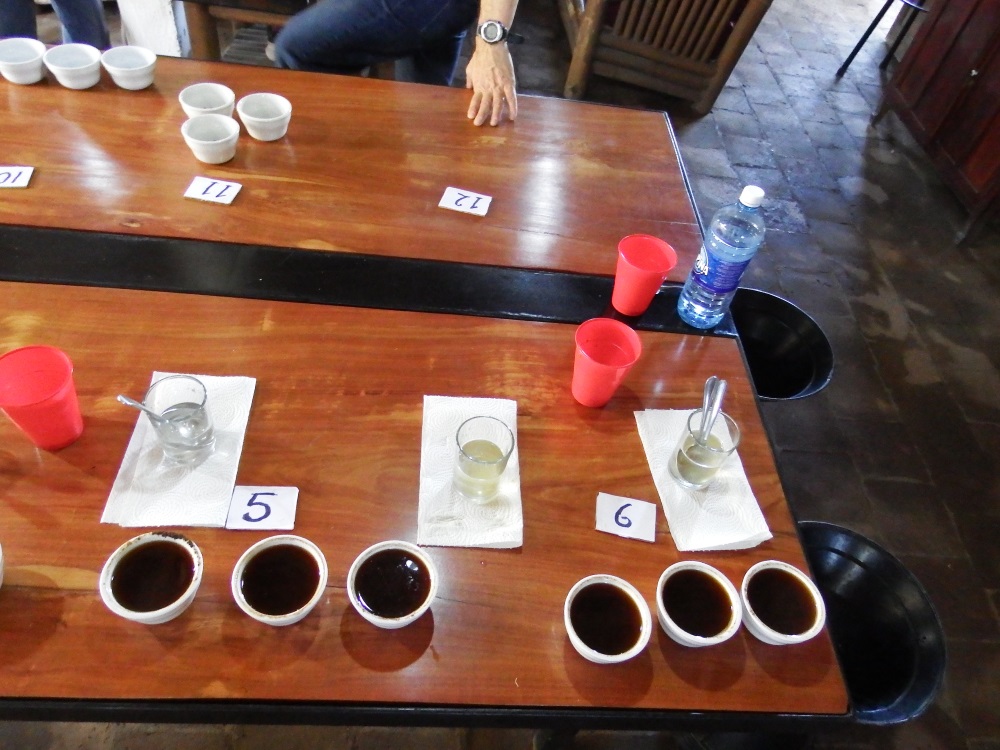
30 samples to try today!
Once we were done with the first batch of cupping, it was time for lunch. We had to do something to calm our coffee-filled stomachs!
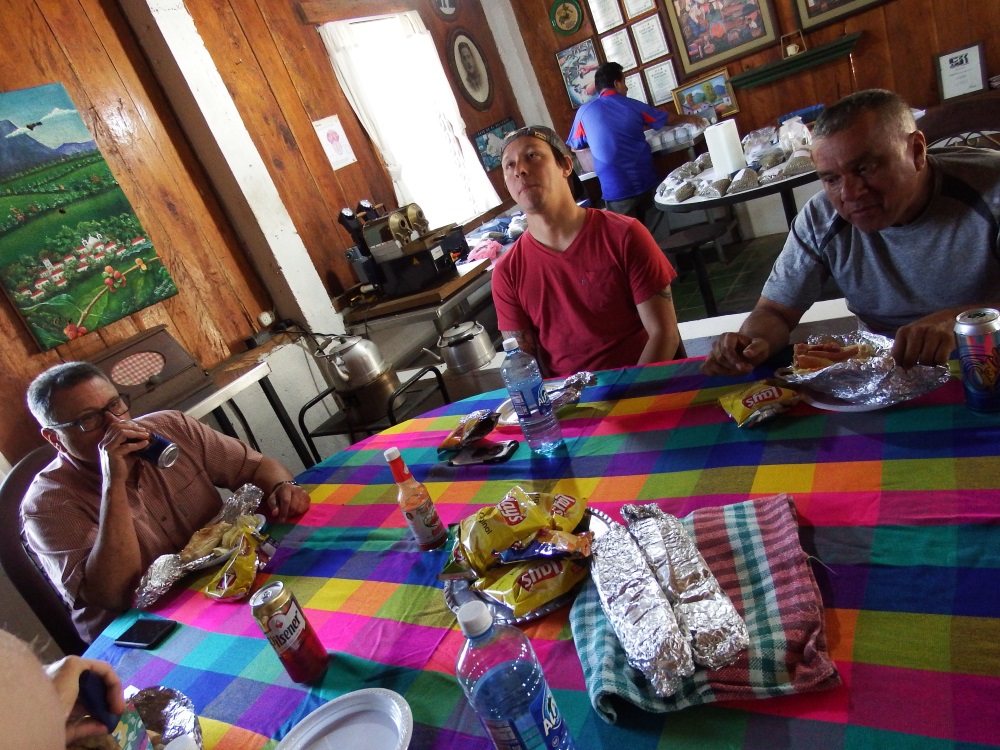
A quick tour of the remainder of the mill and then it was time to go see the trees…
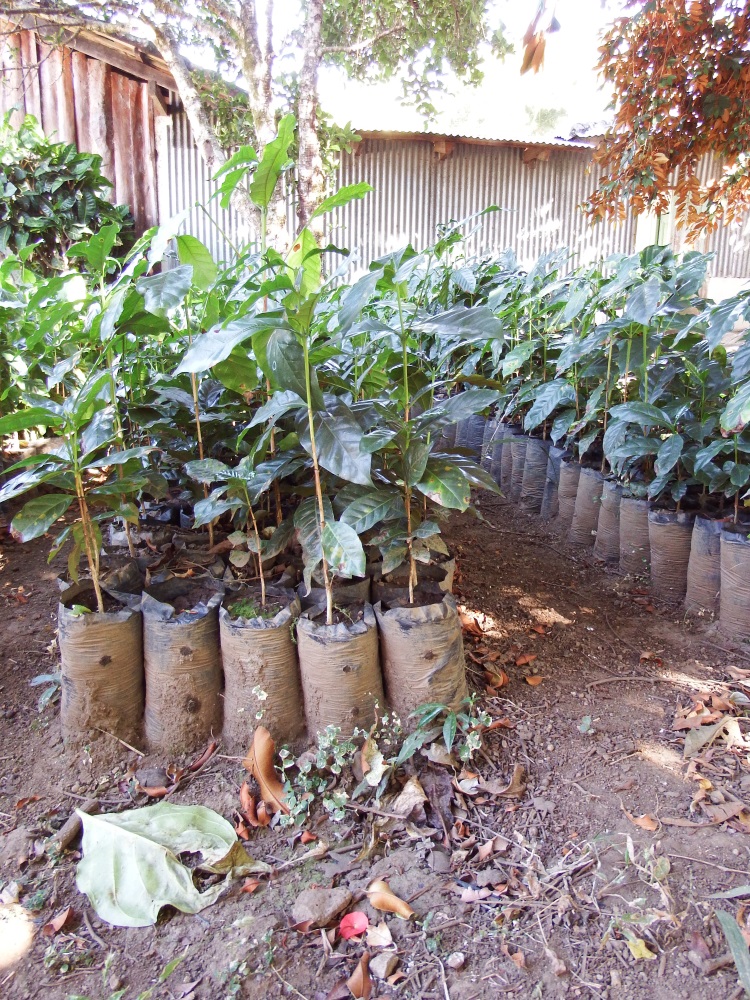
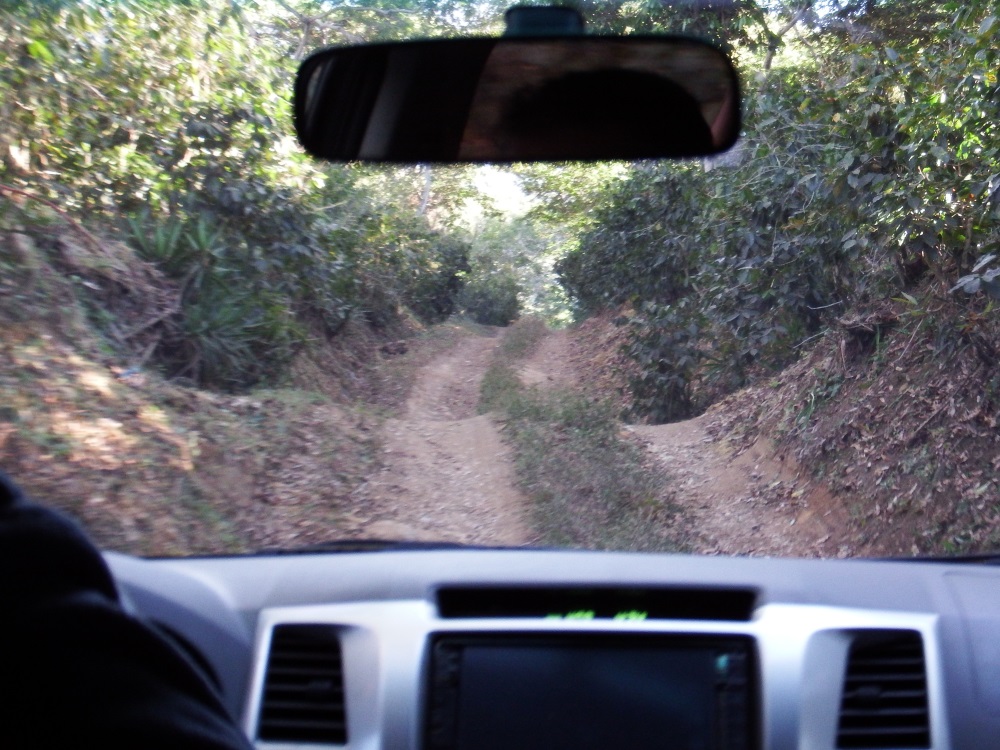
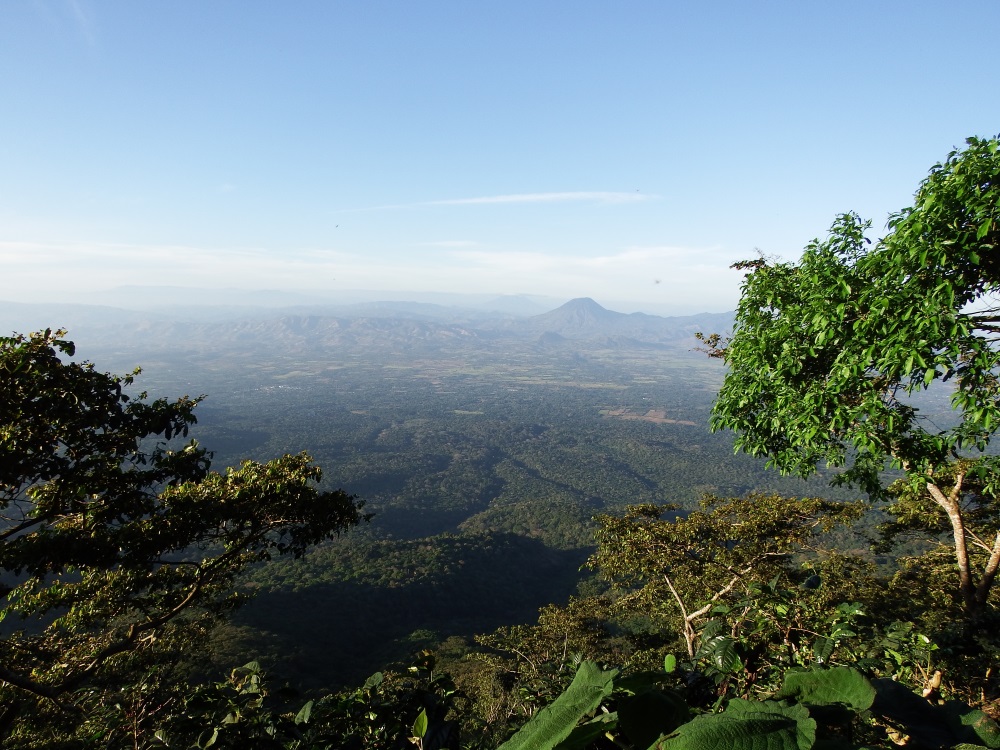
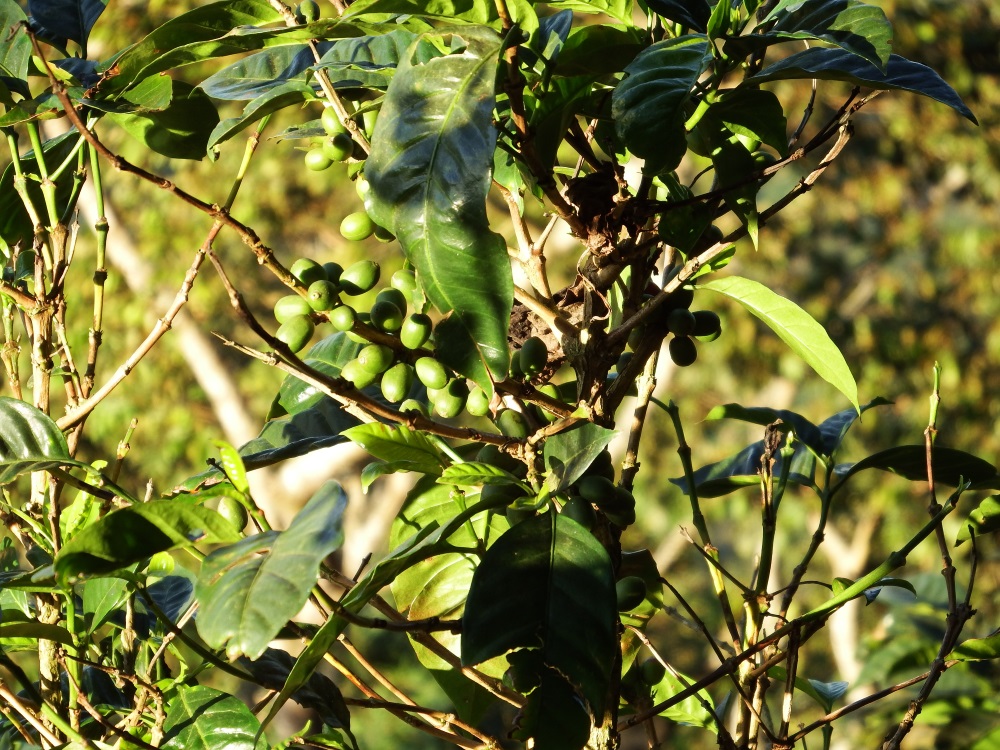
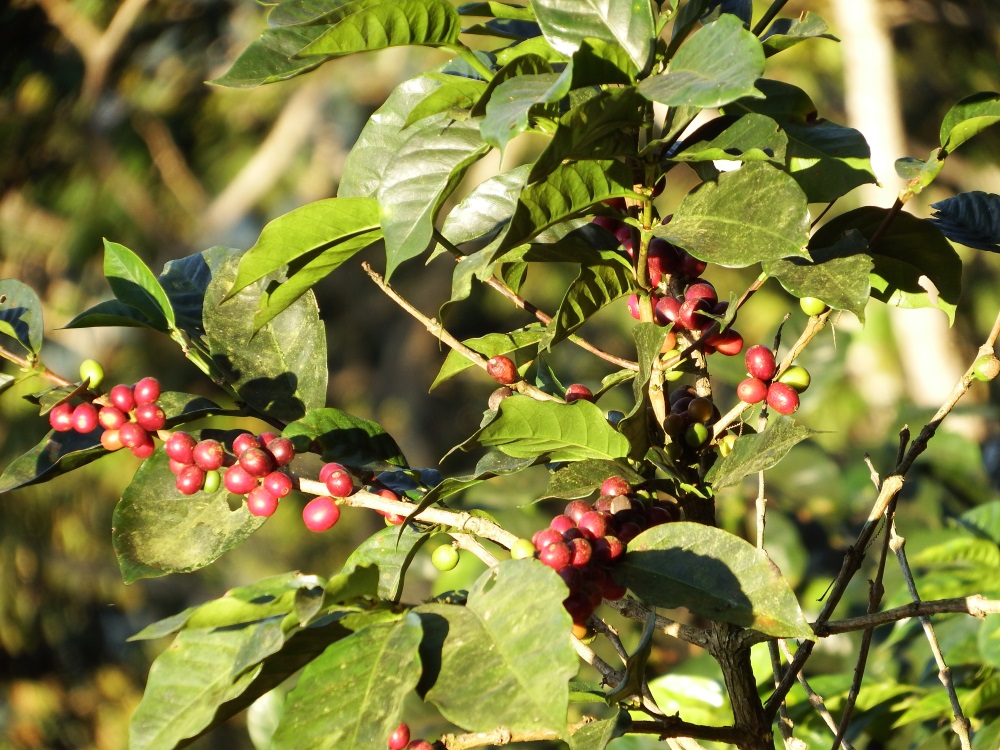
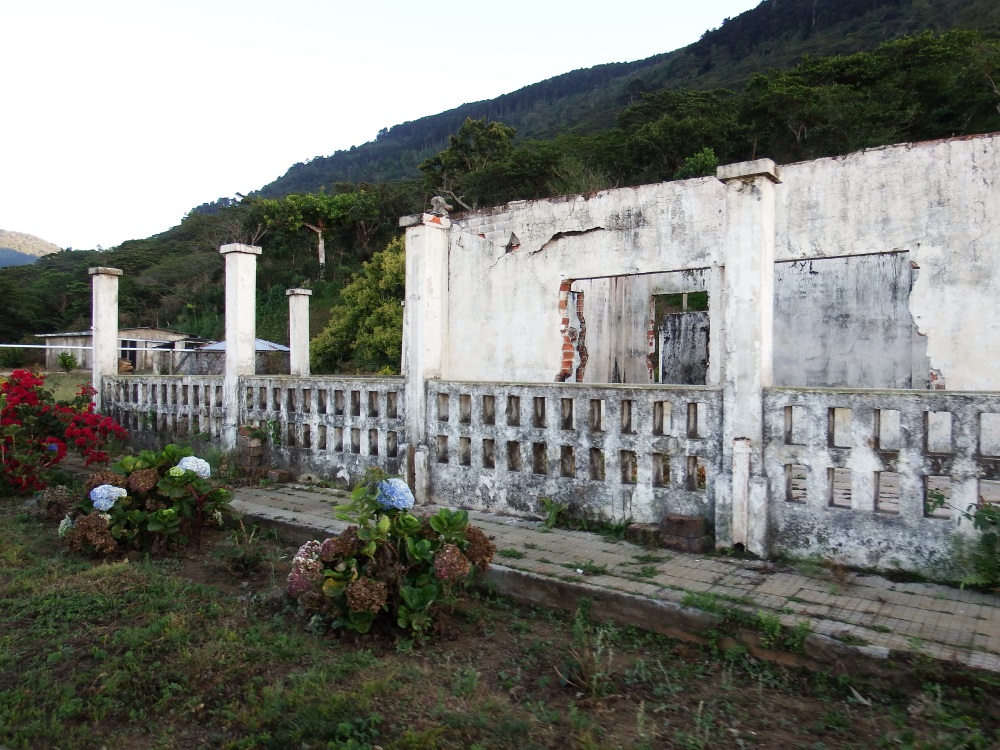
After making our way down the mountain, we said our goodbyes to Miguel and his entire team and made our way back to Antigua, arriving at 11 at night. Quite a long, caffeinated day!
My thoughts…
El Salvador was spectacular in every way imaginable. Even though we needed armed guards the entire time, I never felt any unease touring this farm.
But, through all the happiness and welcomingness of the entire organization, there was a subtle, barely perceptible feeling of dread. As I write this, the commodity price of coffee is $1.059/lb. As Sr. Menendez explained, it takes more than that to tend, harvest, and mill the coffee for export. Throughout the tour of the finca, he constantly was pointing out abandoned farm after abandoned farm after abandoned farm adjacent to his. There just simply isn’t enough money in coffee to survive. Anywhere. Another quote from Sr Menendez:
If the coffee pricing doesn’t stabilize soon, the only countries that will be growing coffee will be Brazil and Vietnam.
This should terrify anyone who has anything to do with coffee in any capacity. But what can we do? Well…that’s a post for another time, because it’s just as lengthy as this one. 🙂
Tomorrow it’s off to the far reaches of the Quiché region…..