Day 3: Travel to Nebaj
A late start to the day… we were still recovering from the long day in El Salvador yesterday. After breakfast we headed out towards Nebaj, Quiche on the way to visit the Ixil growers.
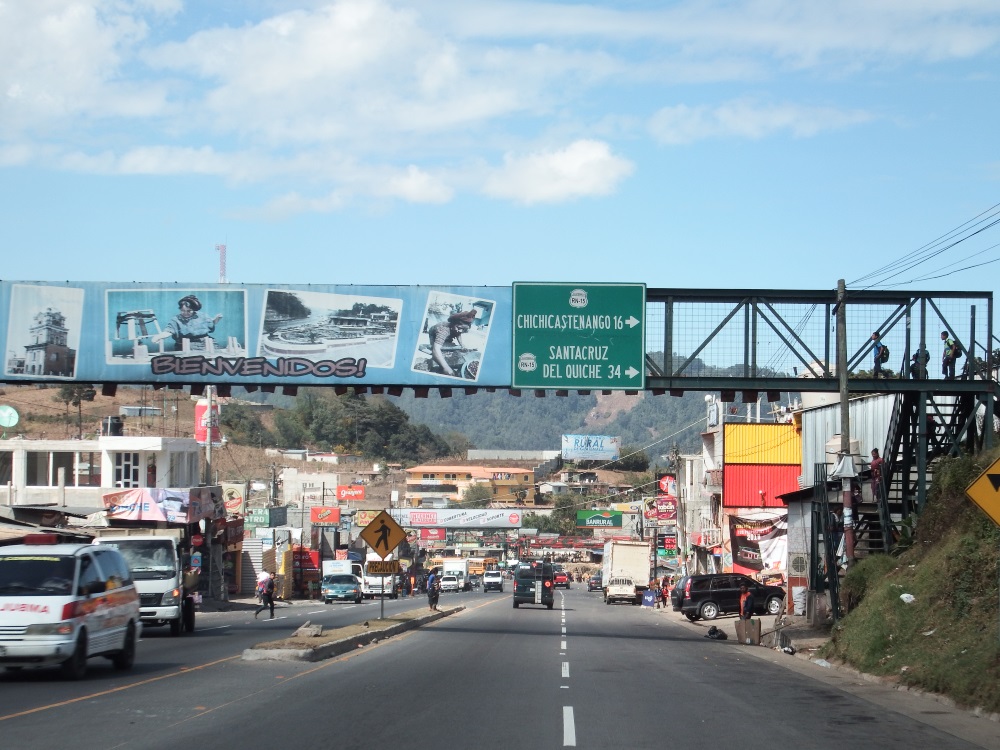

Us here in the US are spoiled by our road system. Once we were off the PanAmerican Highway, it was narrow, two laned, sometimes completely falling apart roads.
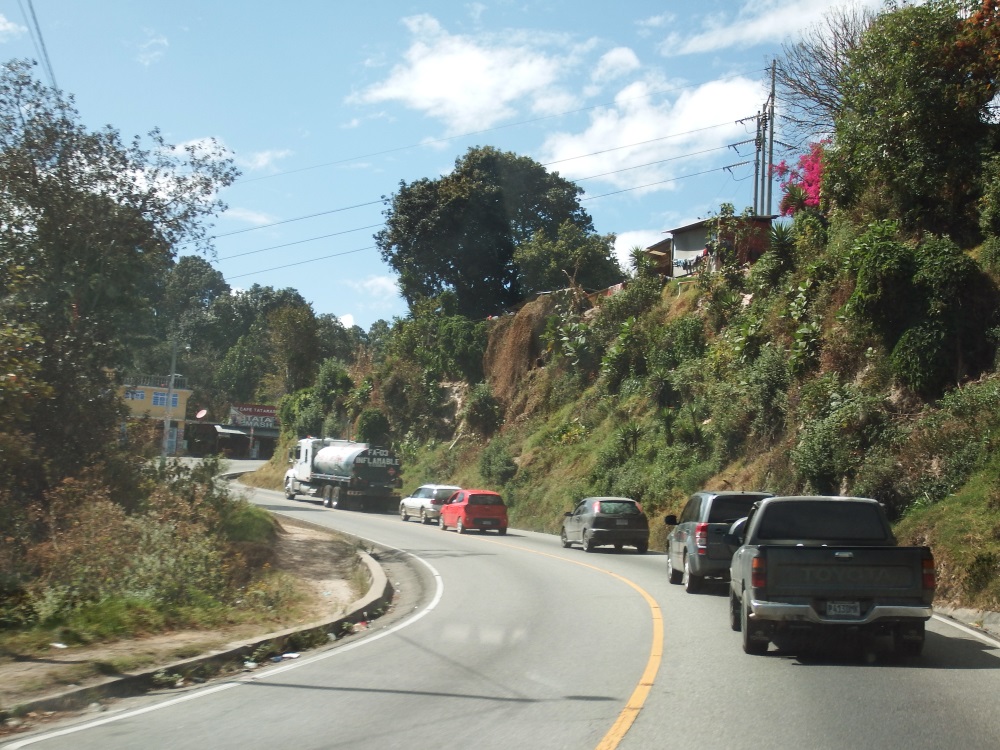
We drove through small village after small village just to stumble upon towns seemingly out in the middle of nowhere.
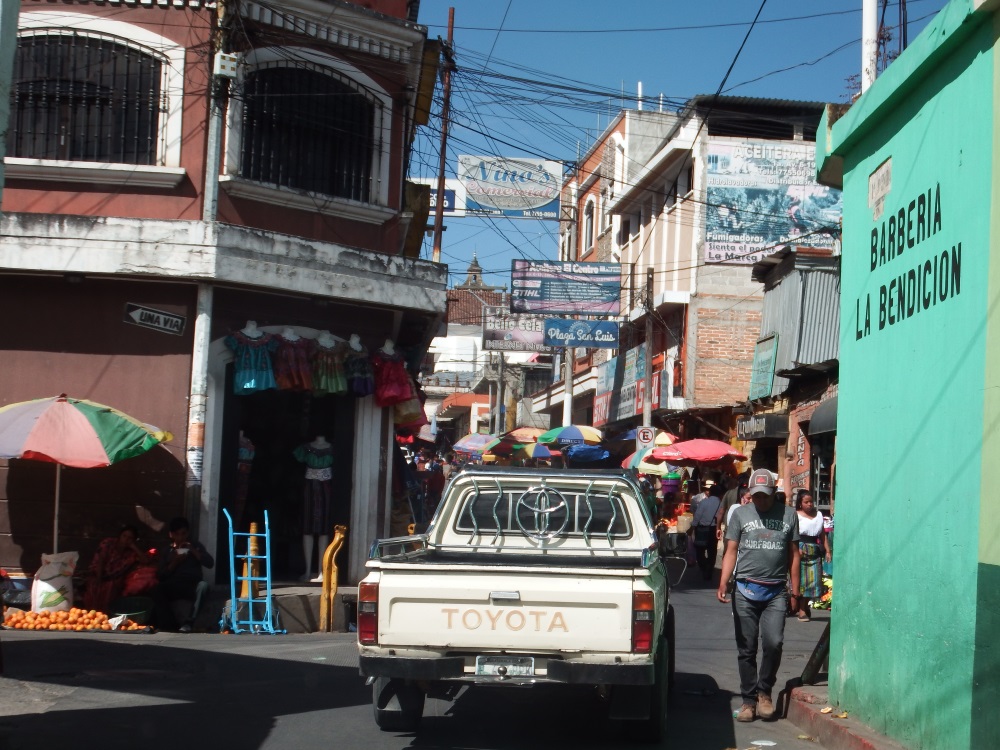
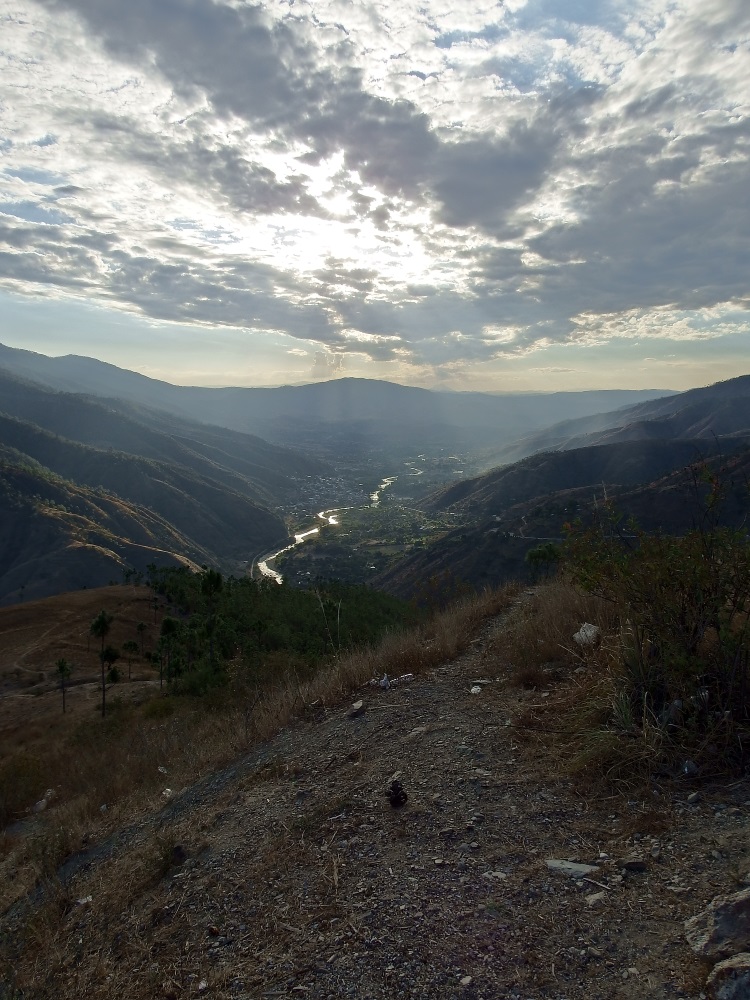
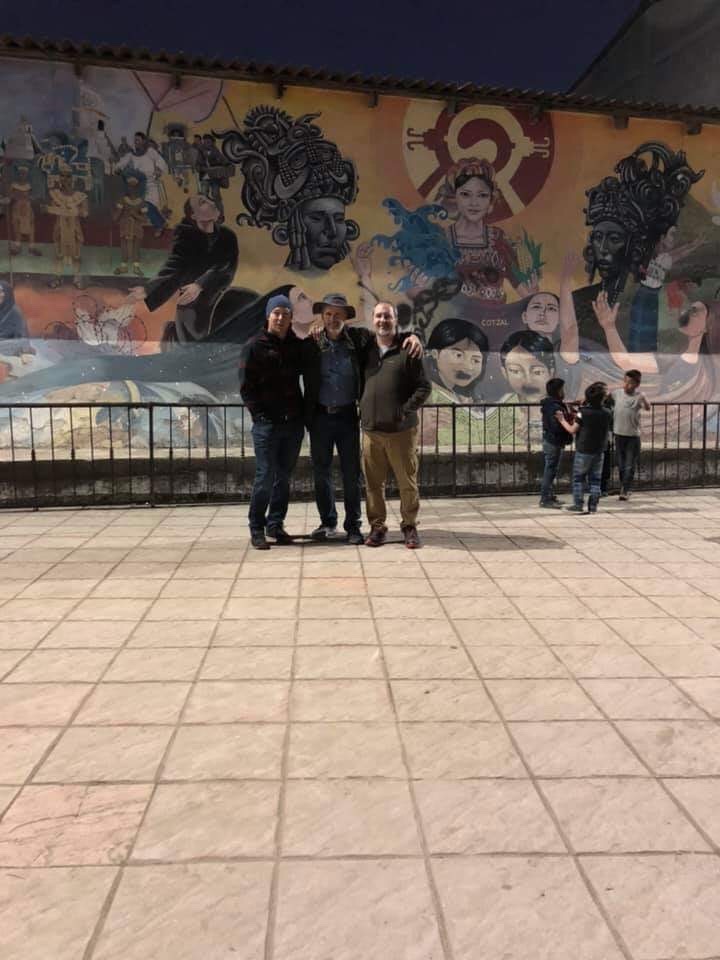
Even though Nebaj was only 70 miles away from Guatemala City as the crow files, it took us almost six hours to get there. We pulled in just before dusk, got a hotel, and wandered around the city.
Day 4: The Maya Ixil Growers
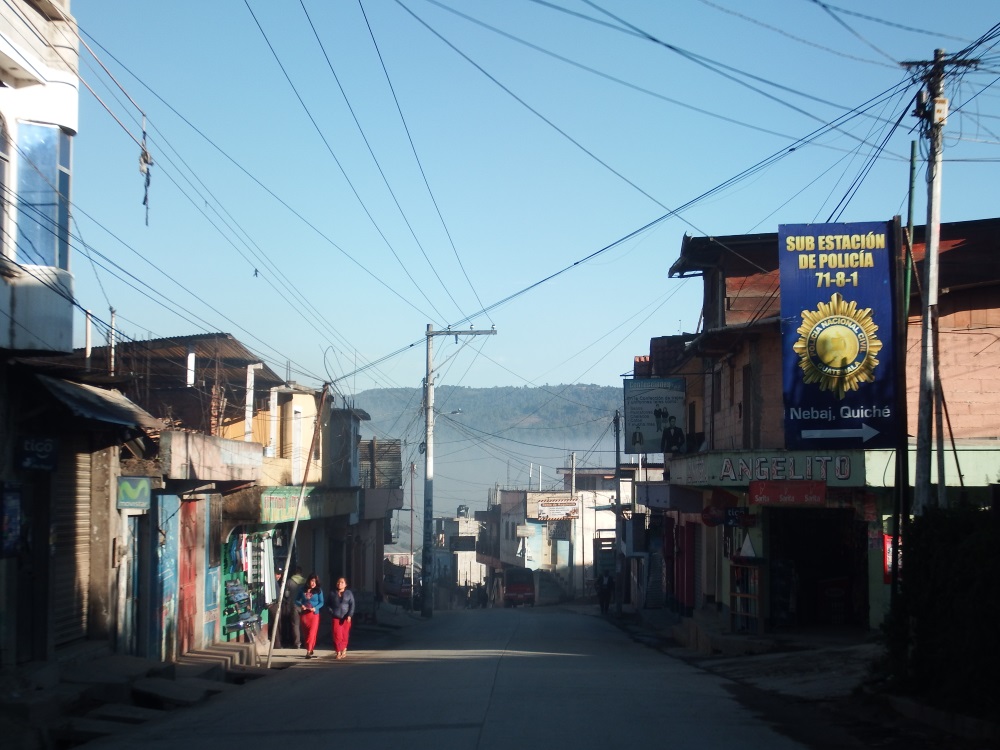
Day four started off cold. We were up at dawn and shivering because of very limited hot water for showers. As we drove from Nebaj to Santa Avelina, a low fog/haze/mist enveloped the countryside, only burning off when we hit the village.
Santa Avelina is everything our trip to the Pacas Farm in El Salvador was not: all the families milled their own coffee, drying was done on rooftops or the street, and the Ixil cooperative was more compact in terms of bagging coffee. In short, a more rustic experience. When we toured the coffee farms there was no truck to take us there: only our feet.
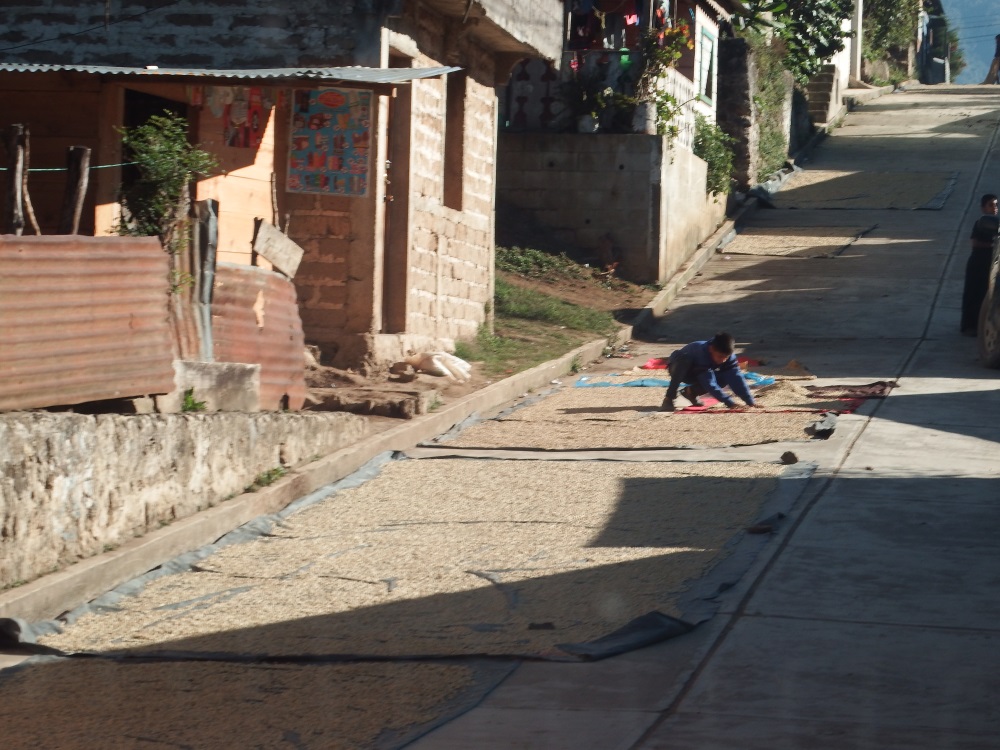
Drying coffee on the street 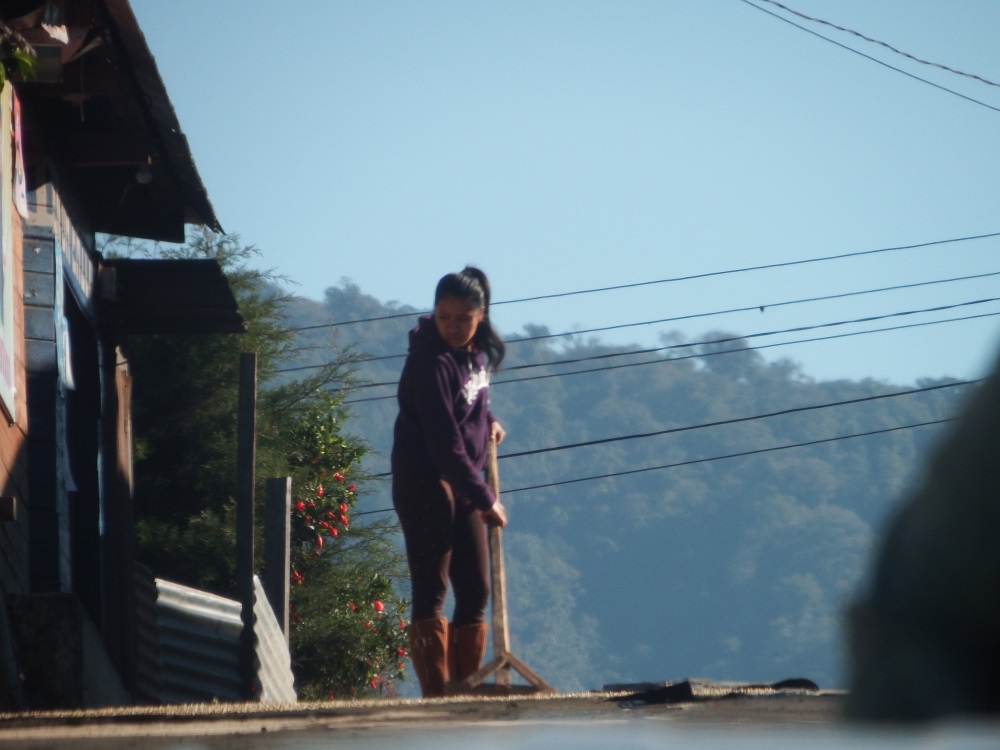
Raking the coffee to ensure even drying 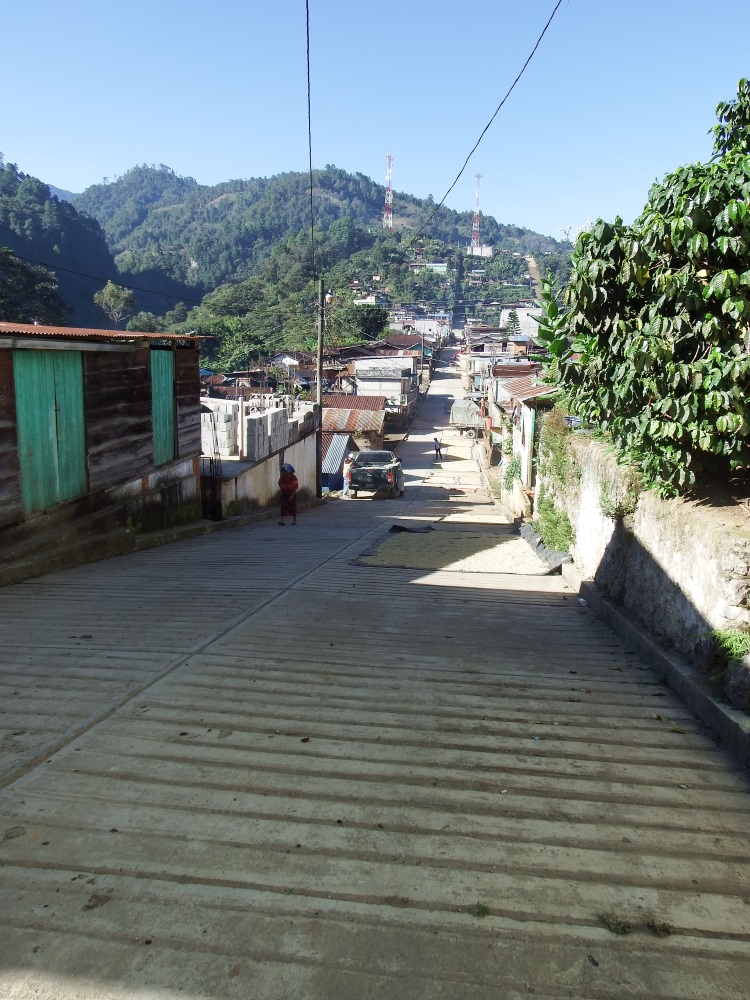
The village of Santa Avelina 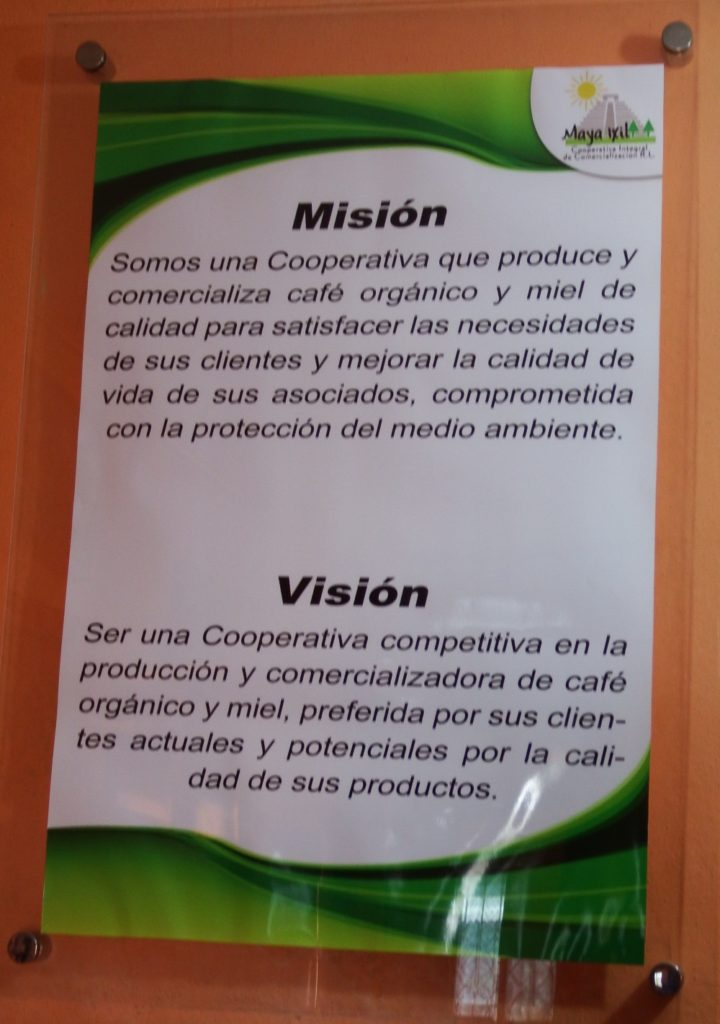
The Maya Ixil Cooperative’s mission 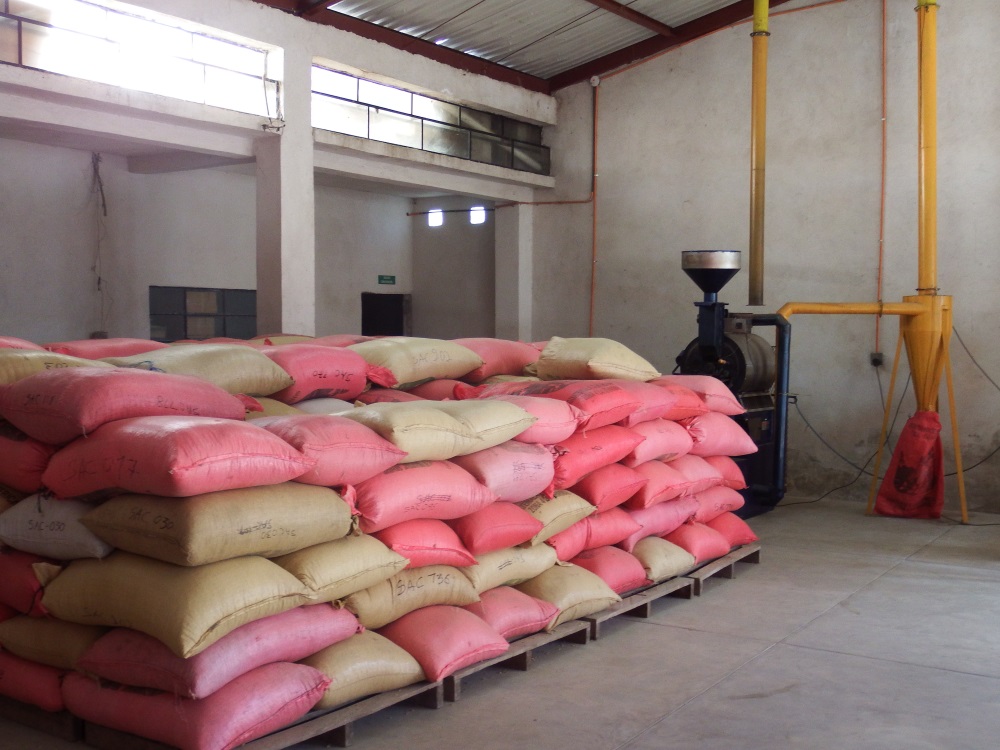
The majority of the cooperative’s harvest 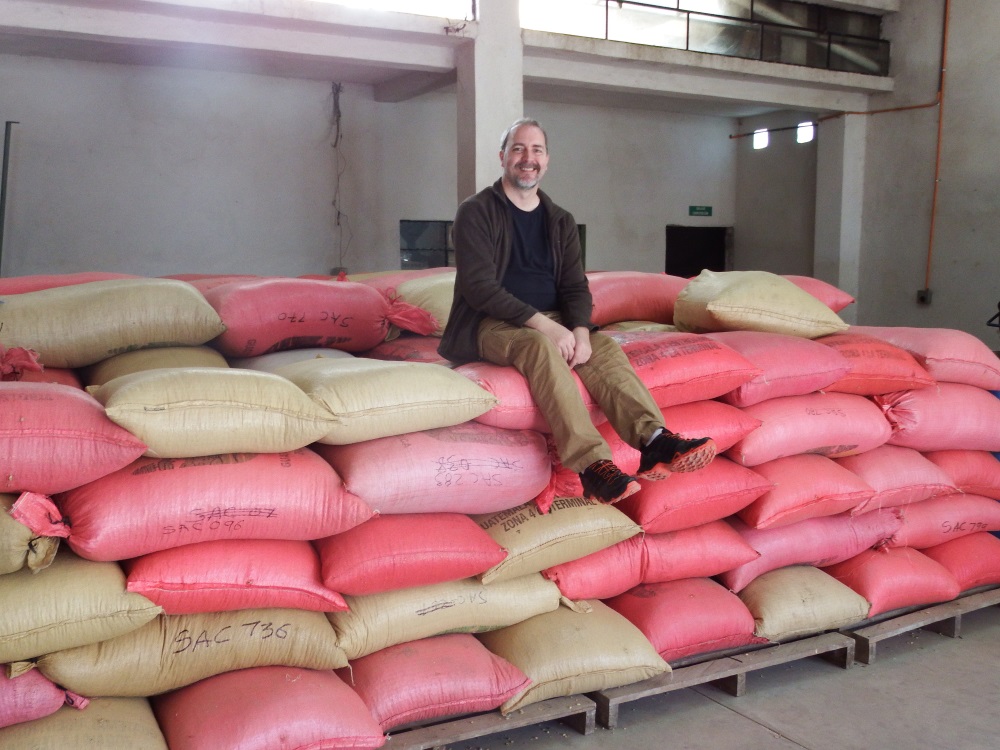
Penche gringo sitting on the coffee 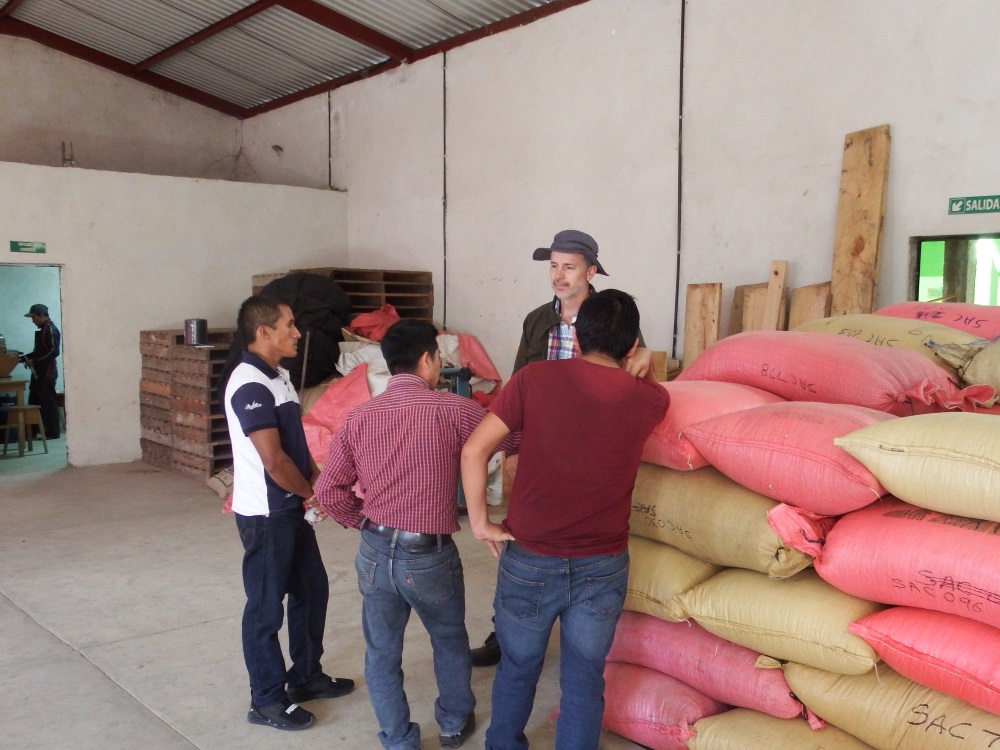
Cesar talking to the coop managers 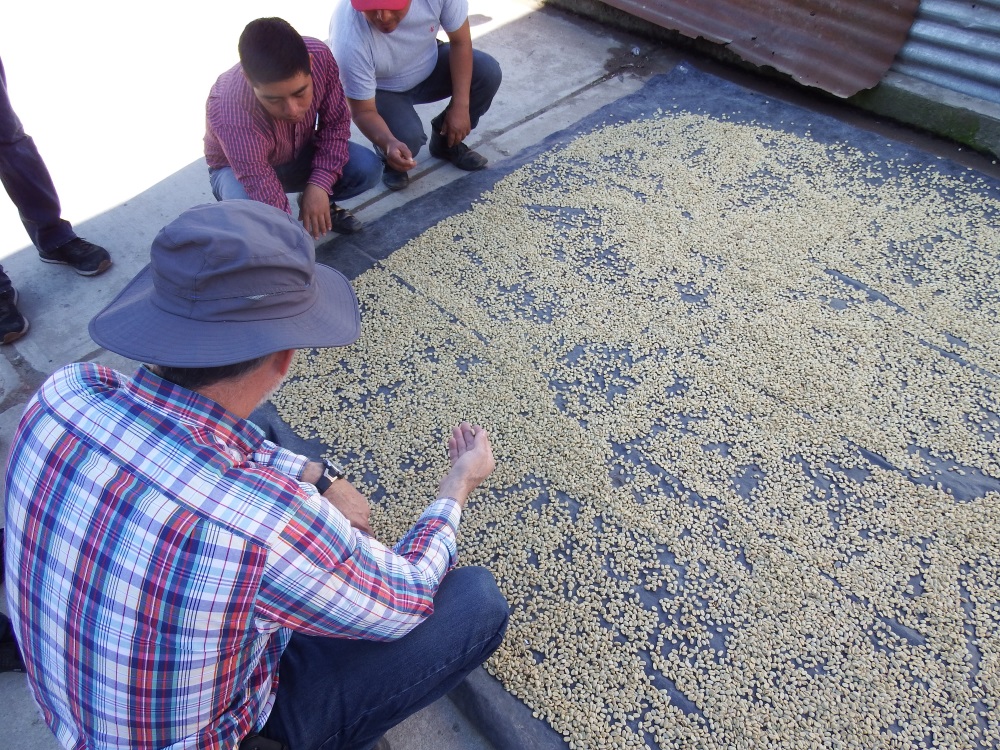
Inspecting the drying coffee 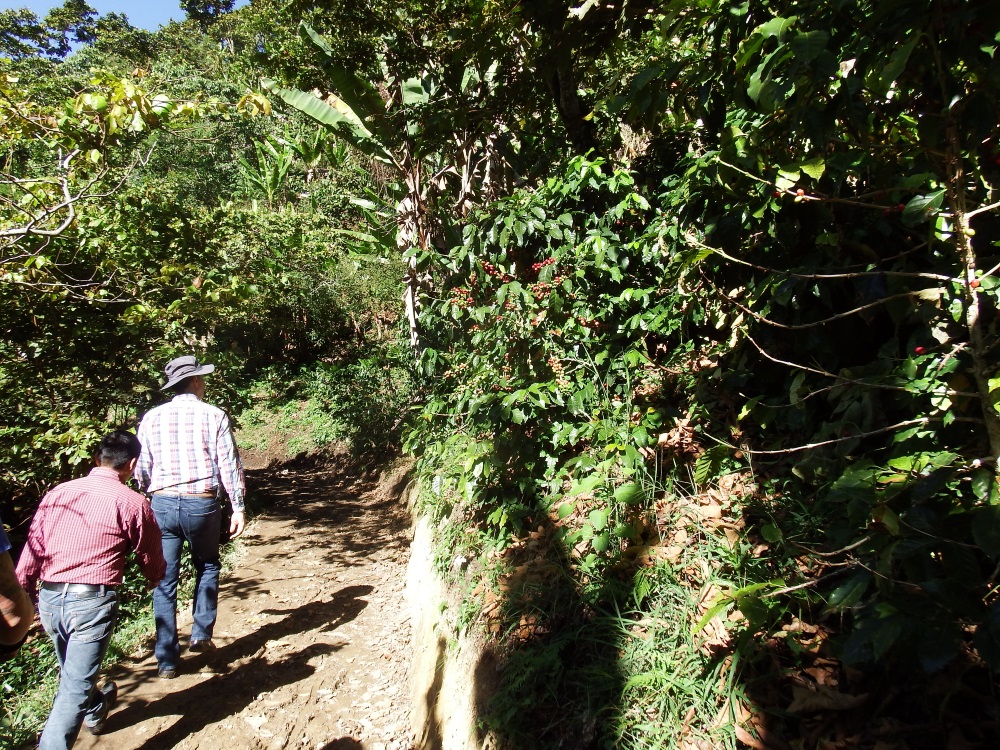
Walking to the trees 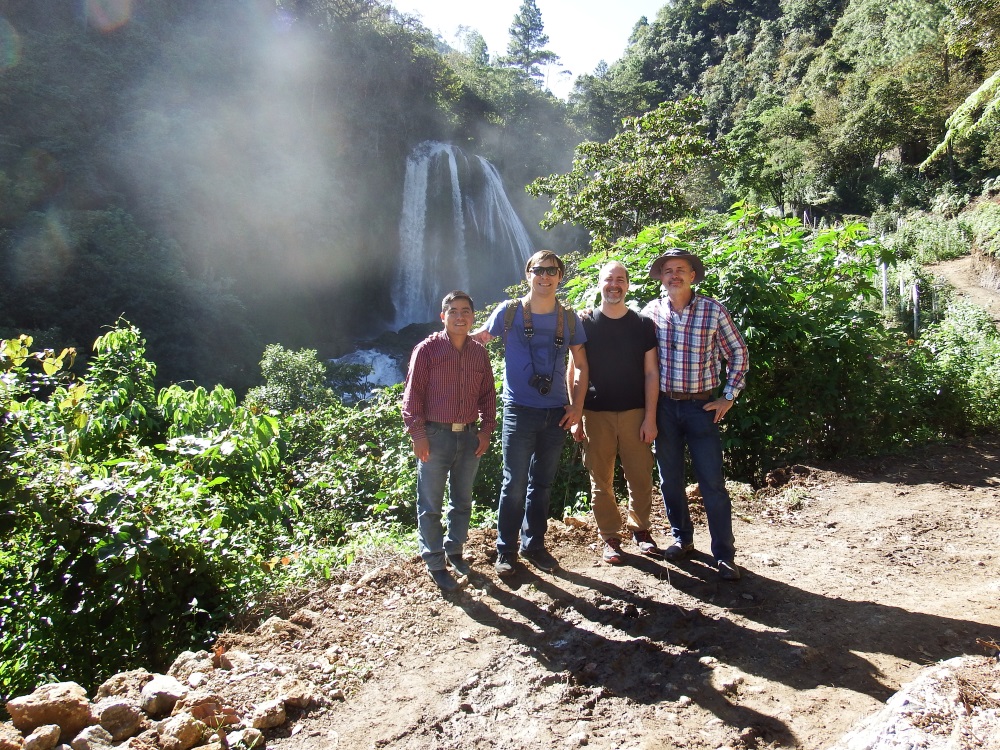
Santa Avelina is home to a goregous waterfall 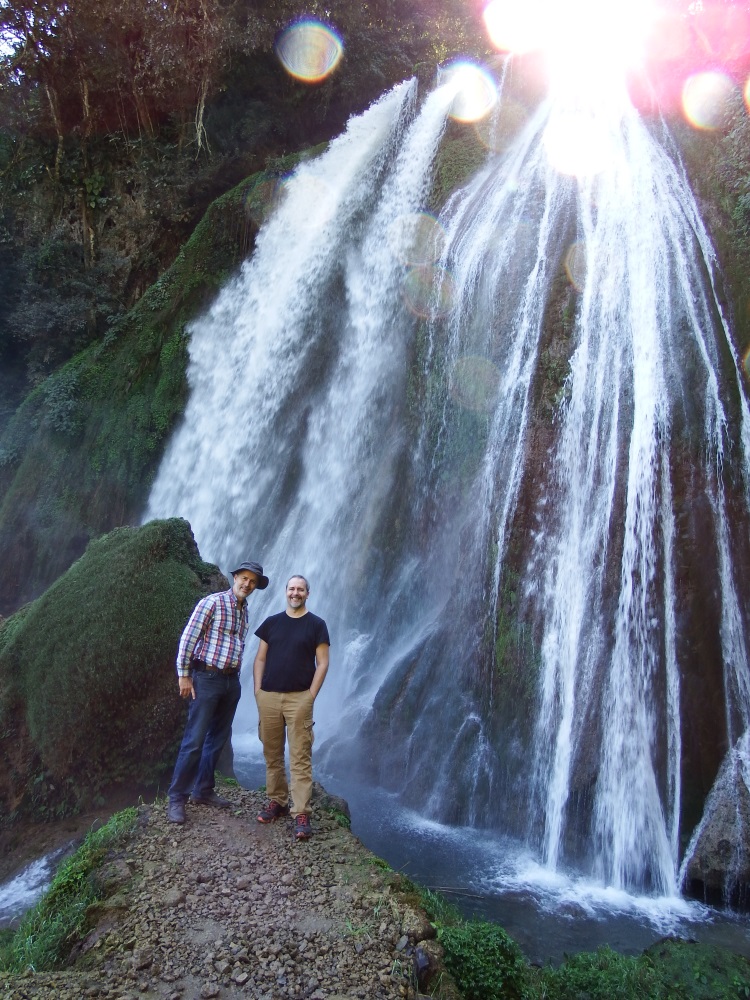
Smile! 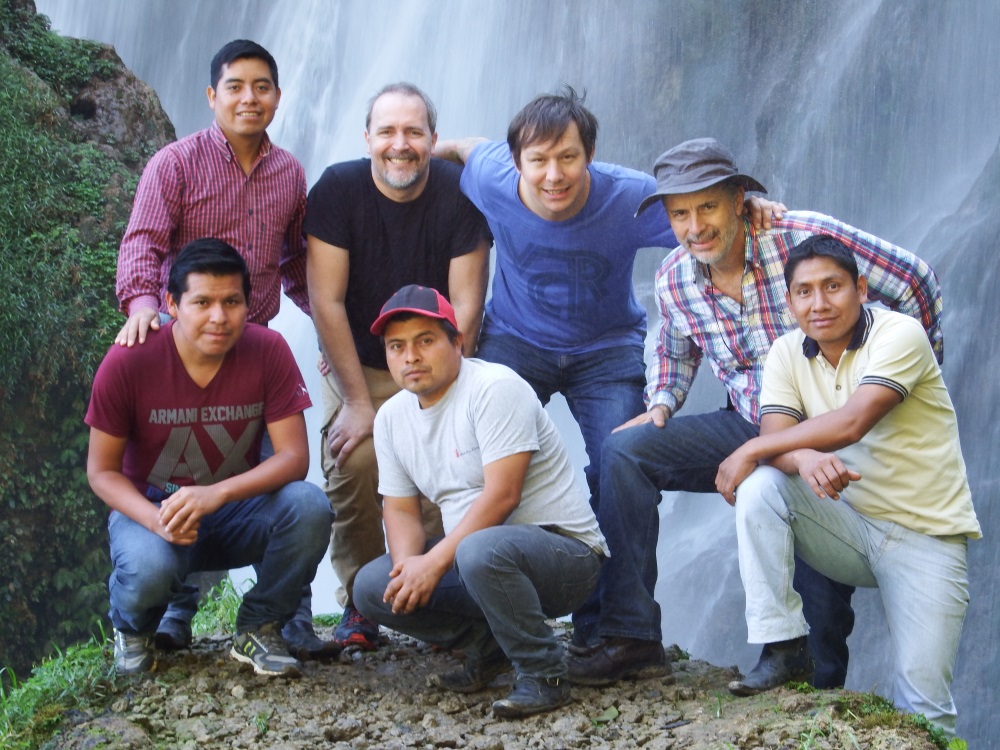
Group photo! Remember this pict for later… 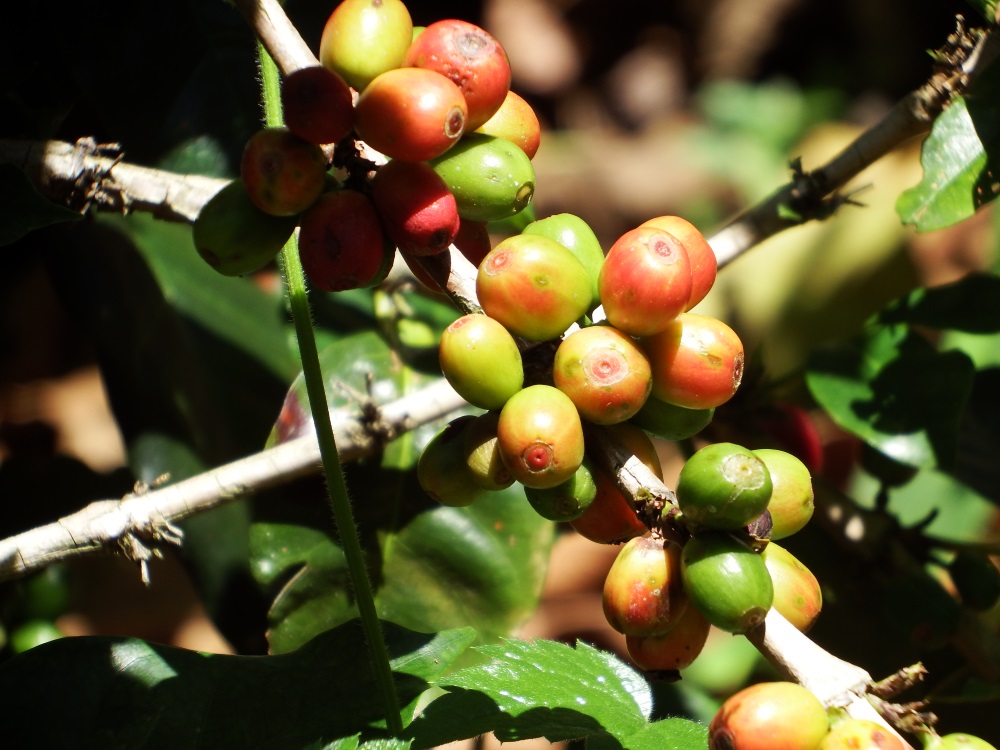
Coffee cherries growing nicely 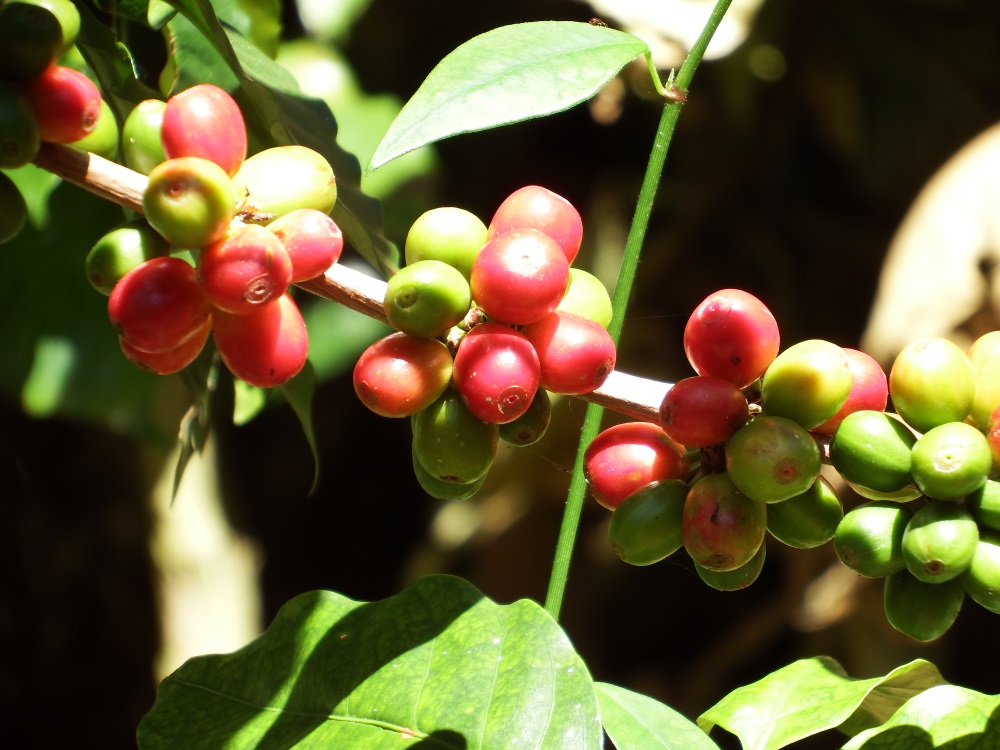
More coffee goodness 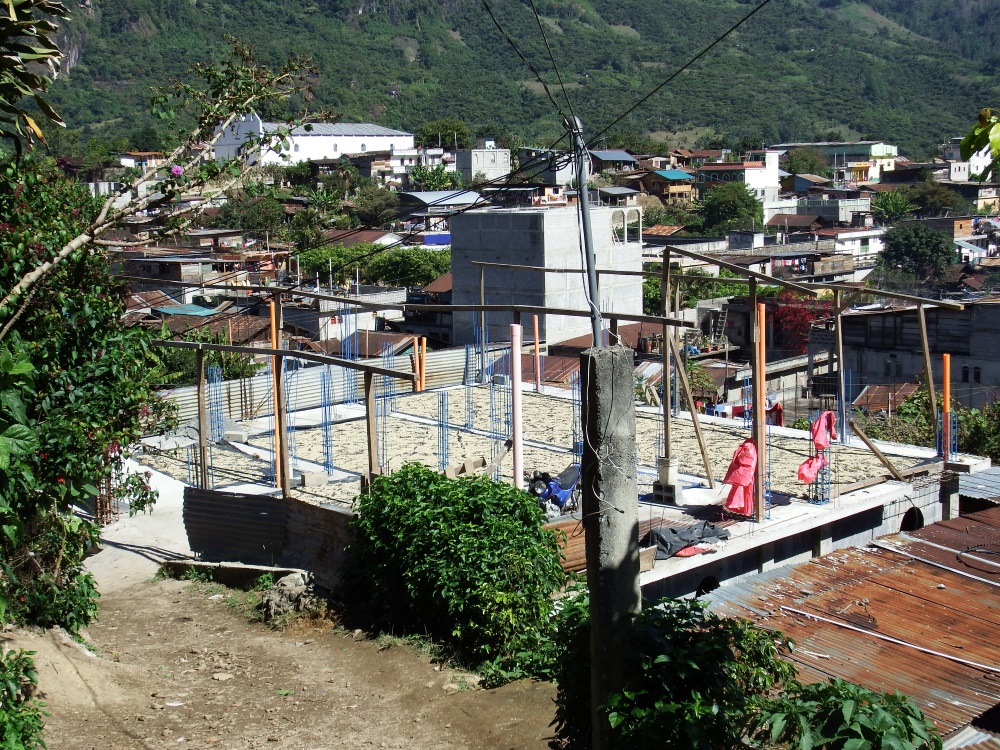
Rooftop drying of coffee 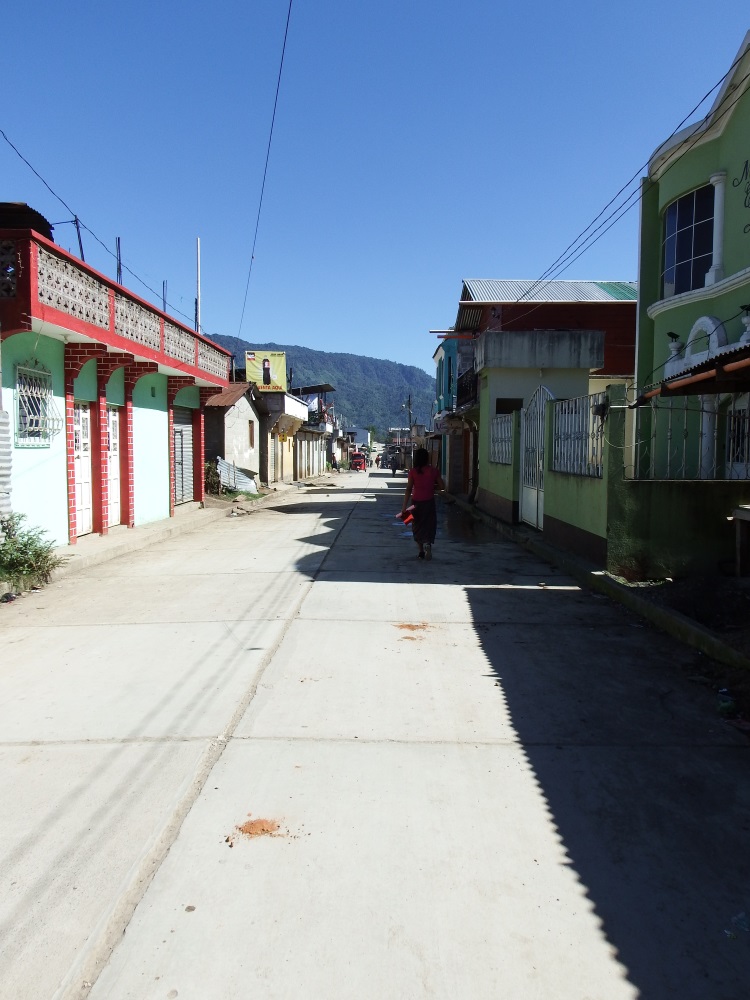
The long walk back to the warehouse 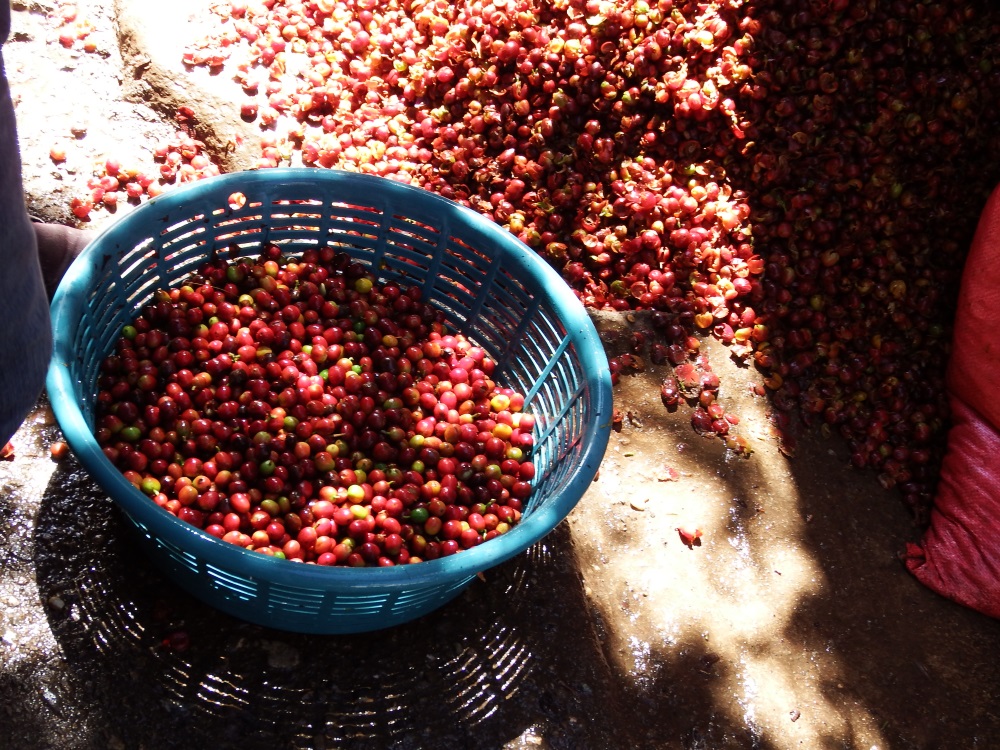
Coffee cherries ready for the depulper 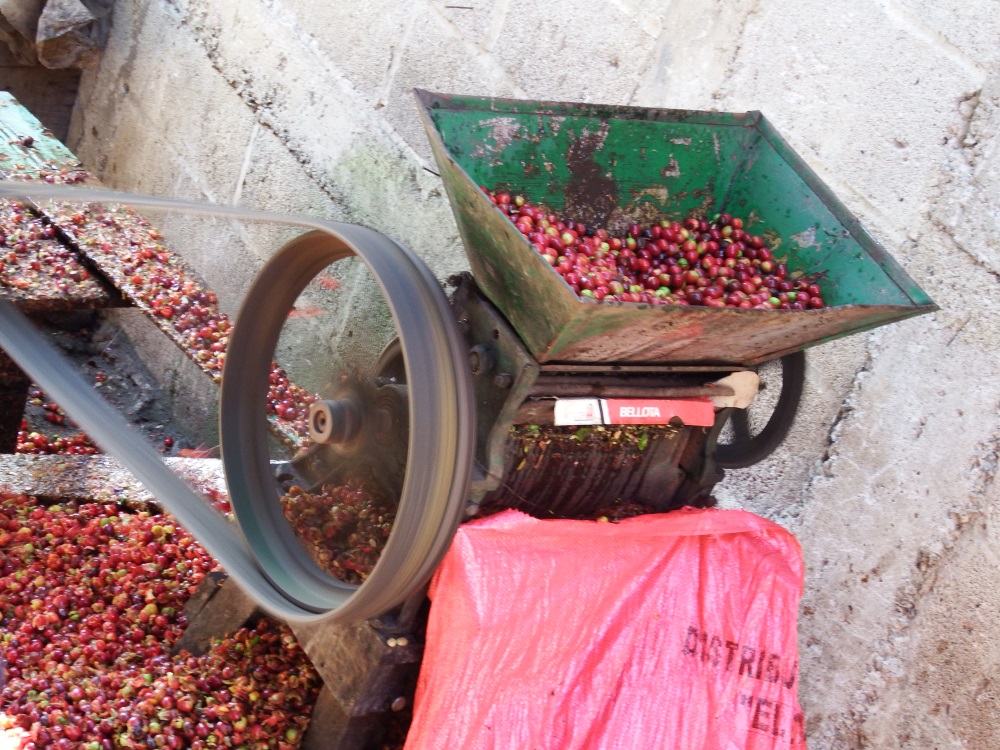
By hand (and lawnmower engine) depulping
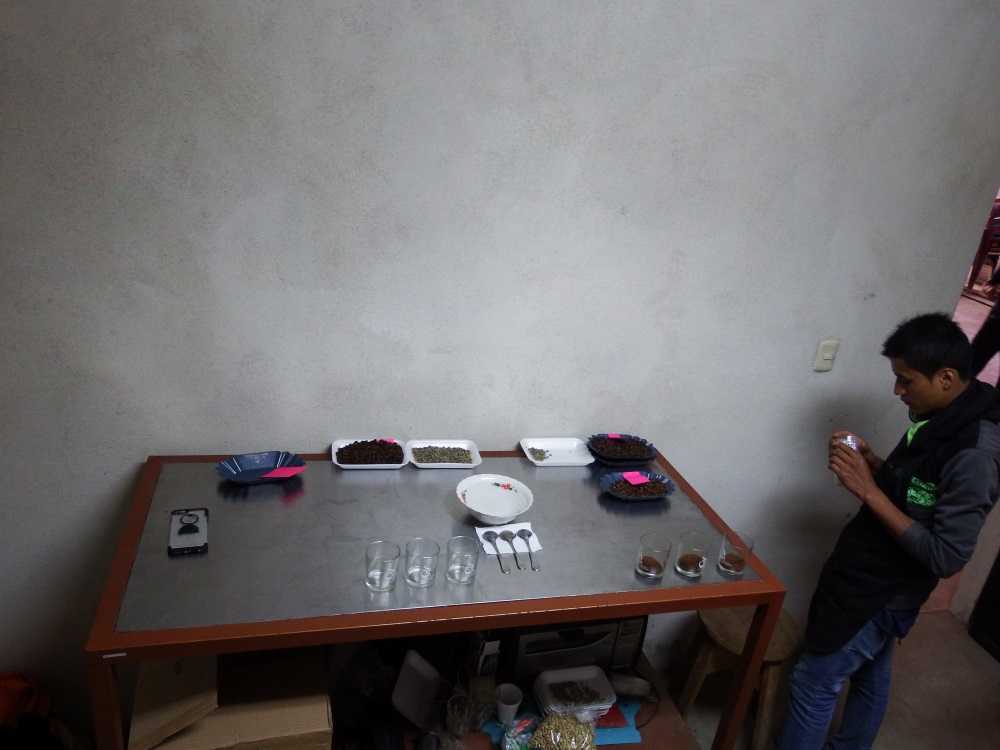
When we got back to the warehouse, they were just about ready for us to sample some coffees…
After lunch, we headed out. Our goal was to make it to our AirBnB at Lake Atitlán. We made it there around 8 that night.
My Thoughts…..
This is tough for me to write. You always hear about these kind of trips changing a person–making them think differently about life. These days of this trip is where it happened for me.
I know I said this would go through day five. But I feel that I need to stop with day four so I can explain myself…
Let’s start with Nebaj: for all intents and purposes, Nebaj was your typical small city. The hustle and bustle was there, the shops were open, and everyone seemed to have somewhere to be. But if you looked a little deeper you saw some things… the shops didn’t have anyone in them for the most part, the central plaza was devoid of activity save for a pick up game of kickball, and everyone was… well… quiet. Usually the central plazas in Guatemalan cities are abuzz with vendors and shops and lively chatter. Nebaj had none of that. Honestly, if I didn’t know better, I’d say the residents of this city were putting on a show for us touristas and that there wasn’t really anything there.
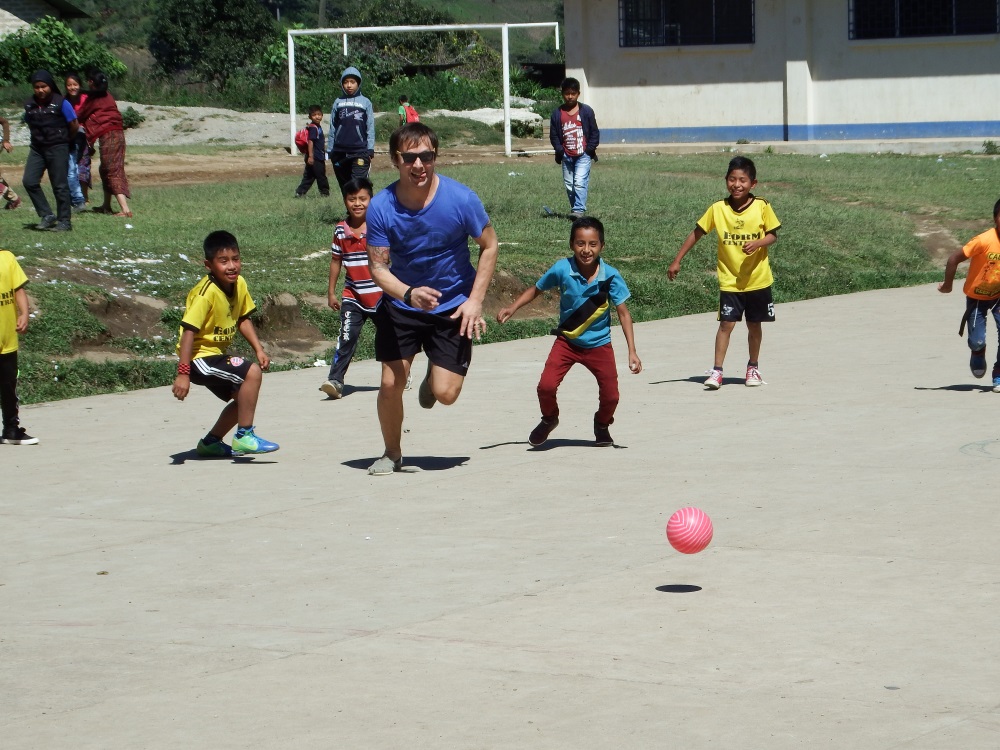
As I mentioned above, the fourth day started out really cold, and it took almost two hours for the fog to burn off. We all knew coming into Santa Avelina we needed to have an unpleasant conversation with the Ixil cooperative. Their coffee was good and we’ll happily continue to buy it, but it isn’t great. As we discussed this with them, just as the fog that greeted us in the morning settled over the countryside, a new fog was settling in–the fog of shame, uncertainty, and resignation. It cast a shadow over the entire day for everyone. Look back at that last group picture at the waterfall at the cooperative managers: they’re not smiling. Or if they are, their eyes aren’t. There won’t be a smile at all for the rest of the day. The only bright spot of the day was Kenny’s futból match: I wouldn’t be surprised if those kids remember that for years to come.
The Ixil community are direct descendants of the Mayan Empire. They are supposed to be a proud people. But due to years of getting beaten down–most recently when the Guatemalan government stole their land during the civil war and didn’t give it back–these people are shells of what they should be. The overarching feeling of resignation hung in the air like the morning fog all day.
But what can we do about it? We can’t be the American saviors throwing tons of money at these people. First because none of us are in a position to do this, but mostly because it won’t solve anything. If they aren’t willing or able to better their coffee (their primary source of income for the village), can we justify paying more for their product? It’s a short term solution, but not sustainable for long. So how do we convince a community to reach deep inside and change for the better? For one, we continue to buy their coffee and offer pointers. After that, I honestly don’t know.
This pattern of quiet desperation seems to be strong in the farms on this trip. I’m wondering if it’s prevalent in all the growing regions. This scares me. More than ever before.